

Most ski rankings are really resort rankings. They count skiable acres and vertical drop and quote a snowfall number measured at the summit, and then they stop, as if the eight hours after the lifts close did not exist. But a ski resort and a ski town are different things. A resort is a mountain with infrastructure bolted to it. A town is a place people lived before the chairlifts arrived and will live after they leave, with its own main street, its own economy, its own reasons to exist.
This list is about the second kind. Every entry had to clear two bars. First, real snow, measured honestly, because a beautiful town with thin cover is a summer destination wearing a coat. Second, and this is where most famous names fall away, the town had to be somewhere you would want to spend an evening even if you never clicked into a binding. That filter is unforgiving. It removes purpose-built resort villages that empty out in April and keeps the places with a life of their own.
A word on the snow numbers below. Resort and town totals diverge sharply, often by a factor of two, because the summit catches storms the valley floor does not. We use town-level figures where they exist and say so, because you sleep in the town, not on the peak.
1. Telluride, Colorado
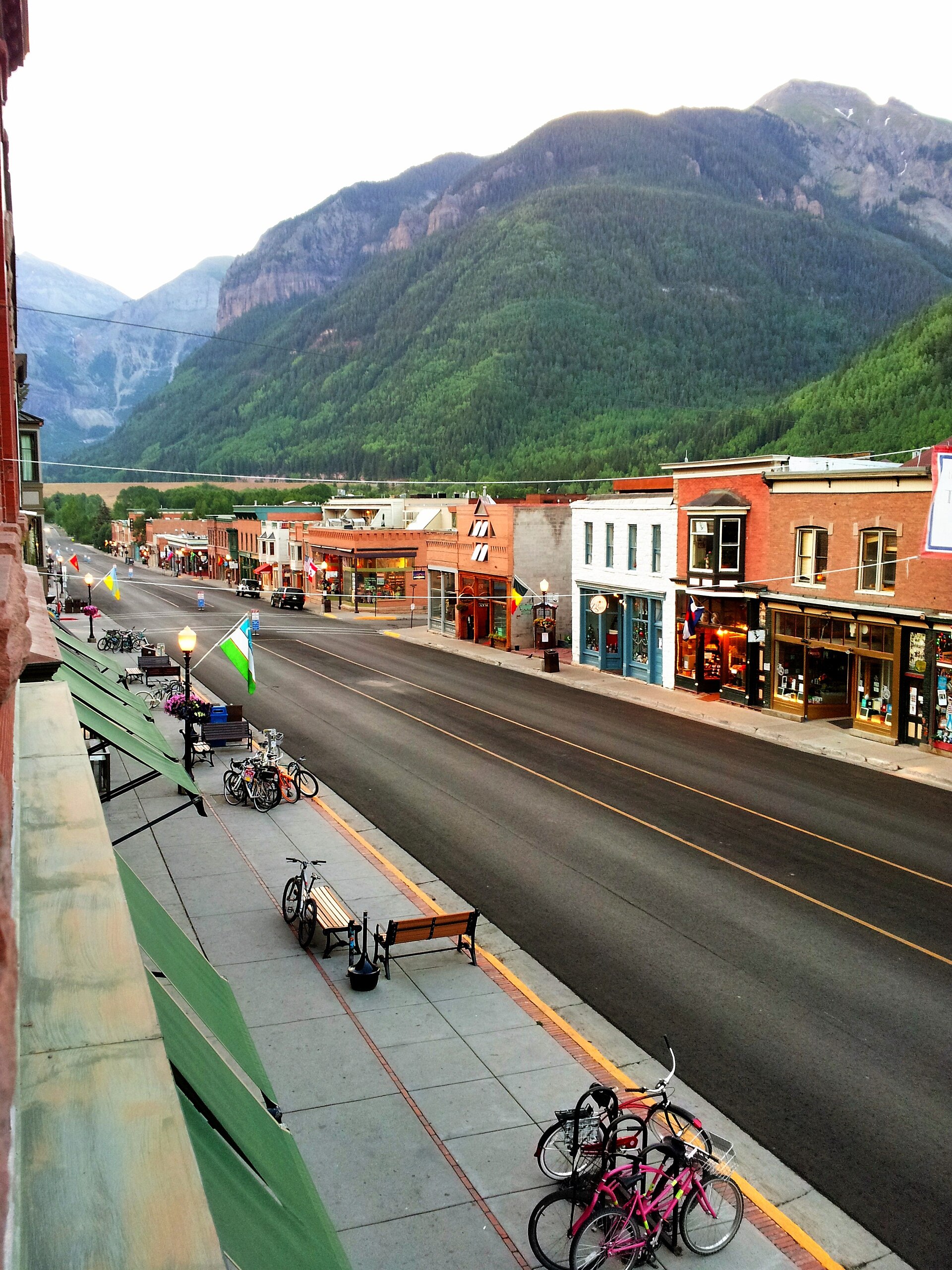
Telluride is the strongest argument on this list that geography makes the town. It sits at the closed end of a box canyon in the San Juans, which means it cannot sprawl; it simply ends where the walls go vertical, with Bridal Veil Falls frozen against the back of the canyon all winter. The resort averages around 276 inches, though the town at the canyon floor catches closer to 130, and the free gondola connecting downtown to Mountain Village remains the most beautiful commute in American skiing. What makes Telluride rare is that the Victorian main street is a National Historic Landmark District, a real mining town that was here long before the skiing, and the six-hour distance from Denver keeps it that way.
2. Crested Butte, Colorado
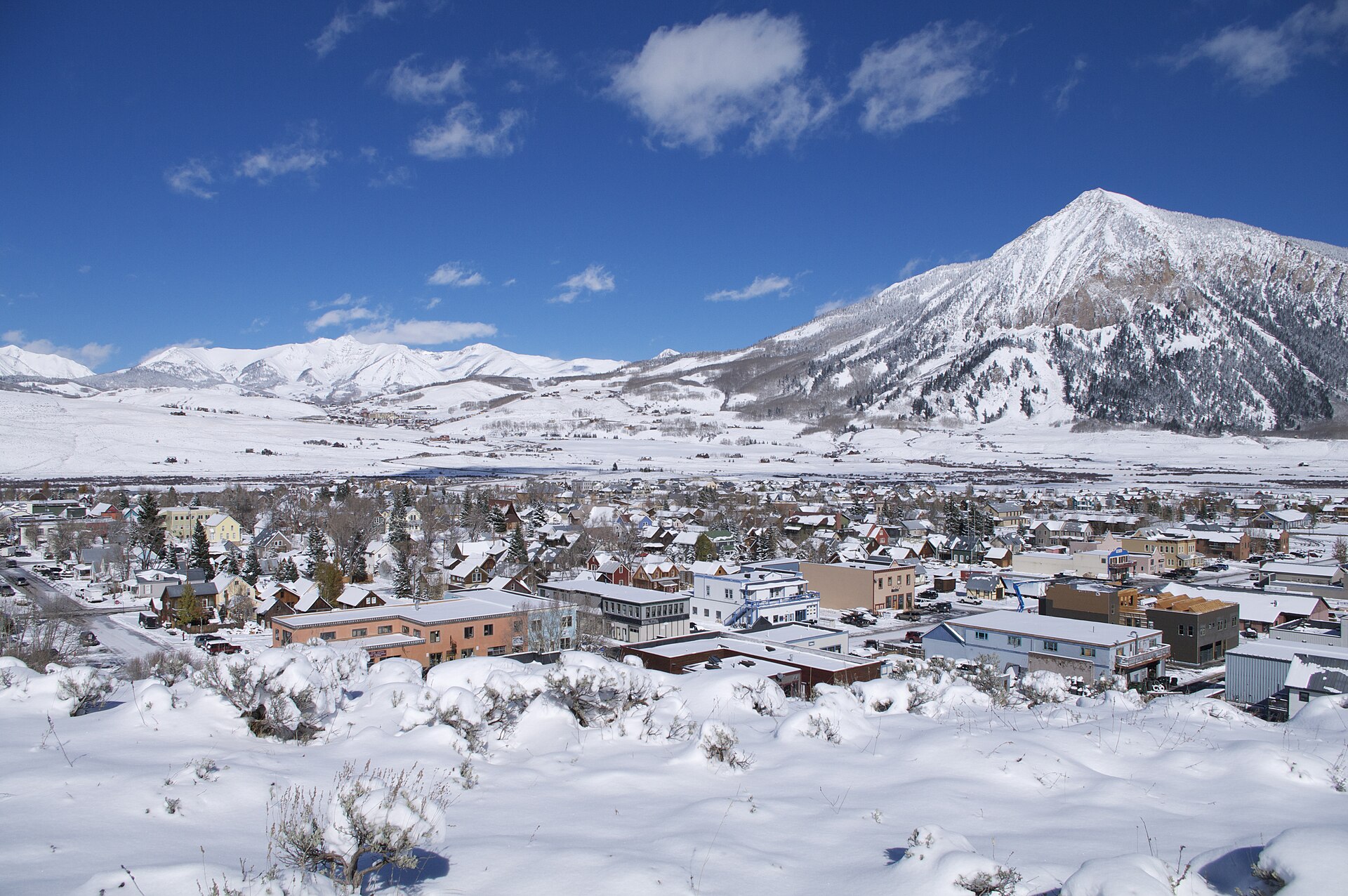
They call it Colorado’s last great ski town, and the phrase is defensible. Crested Butte is the snowiest town in the state, averaging around 217 inches on the valley floor at nearly 8,900 feet, and it has resisted the fate of its glossier neighbors largely through sheer isolation: there is no interstate, no easy approach, no way to arrive by accident. The result is a candy-colored main street of genuine 19th-century buildings and a culture that still feels like it belongs to the locals. The skiing is famously steep, the extreme terrain that helped define the category. Come knowing the tradeoff: what keeps Crested Butte real is exactly what makes it hard to reach.
3. Jackson, Wyoming
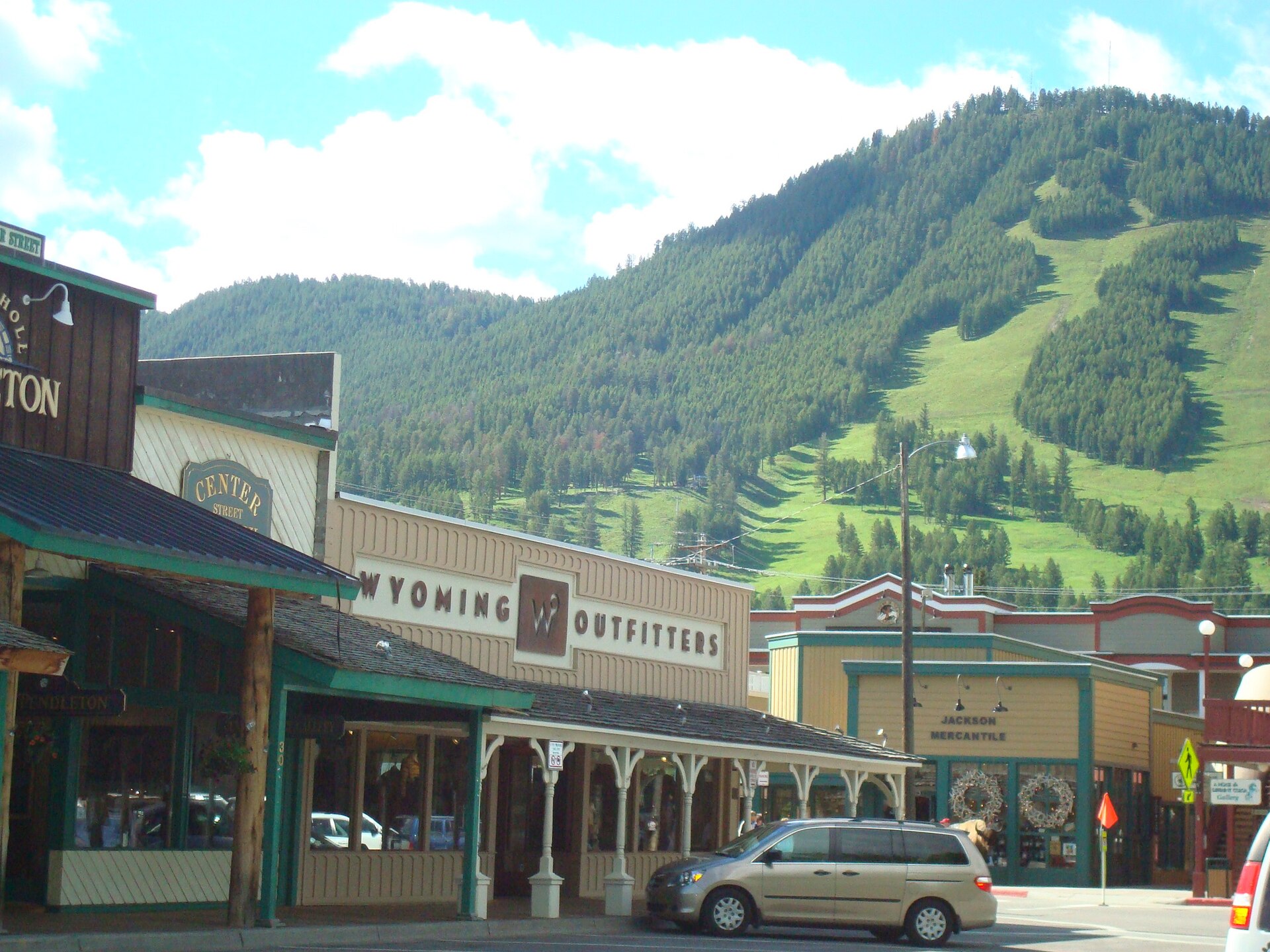
Jackson is the town; Teton Village is the resort; the two are twelve miles apart, and that distance is the whole point. You can stay in an actual Wyoming town, one with a working square framed by elk-antler arches, ride out to Jackson Hole Mountain Resort and its legendary 458 inches and Corbet’s Couloir, and come back to somewhere that existed for reasons having nothing to do with skiing. The valley sits between Grand Teton and the National Elk Refuge, so the scenery does not switch off at the base area. The honest caveat is money: proximity to two national parks and a certain kind of wealth have made Jackson one of the most expensive places in the American West, and it shows in every price.
4. Alta, Utah
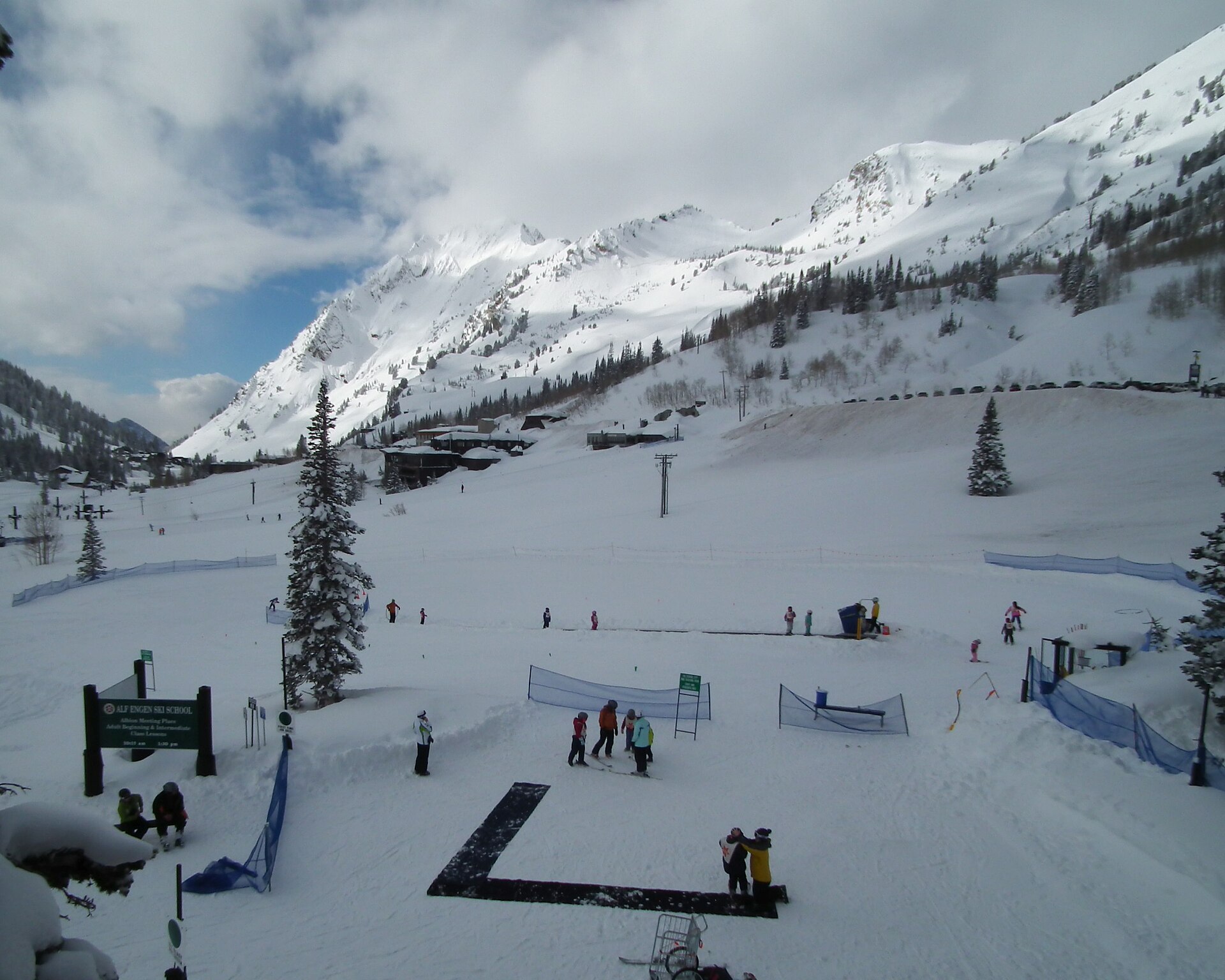
Alta is the purist’s choice and the exception that tests this list’s own rule. It barely qualifies as a town, more a cluster of historic lodges at the top of Little Cottonwood Canyon, but it earns its place on snow and soul. The canyon averages around 550 inches of the driest powder on the continent, Utah’s greatest-snow-on-earth claim made literal, and Alta remains one of the last resorts in the country that bans snowboarding, family-owned and independent since it became Utah’s first ski area in 1938. You do not come here for nightlife or a main street. You come because a former silver town at the top of a canyon still values the skiing over the selling of it, and you can feel the difference on the first run.
5. Steamboat Springs, Colorado

Steamboat trademarked the term champagne powder, and the snow lives up to the marketing, roughly 300 inches of it, dry and light off the high plains. But the reason it belongs here is that Steamboat was a ranching town first and never entirely stopped being one. The main street runs to Western-wear shops and a genuine rodeo in summer, and the local hot springs that give the town its name were drawing people to this valley long before anyone strapped on skis. It is friendlier and less precious than the Aspen-Vail axis, a place where the cowboy heritage is lived rather than themed. Bring a suit for Strawberry Park Hot Springs after a day on the hill.
6. Taos, New Mexico
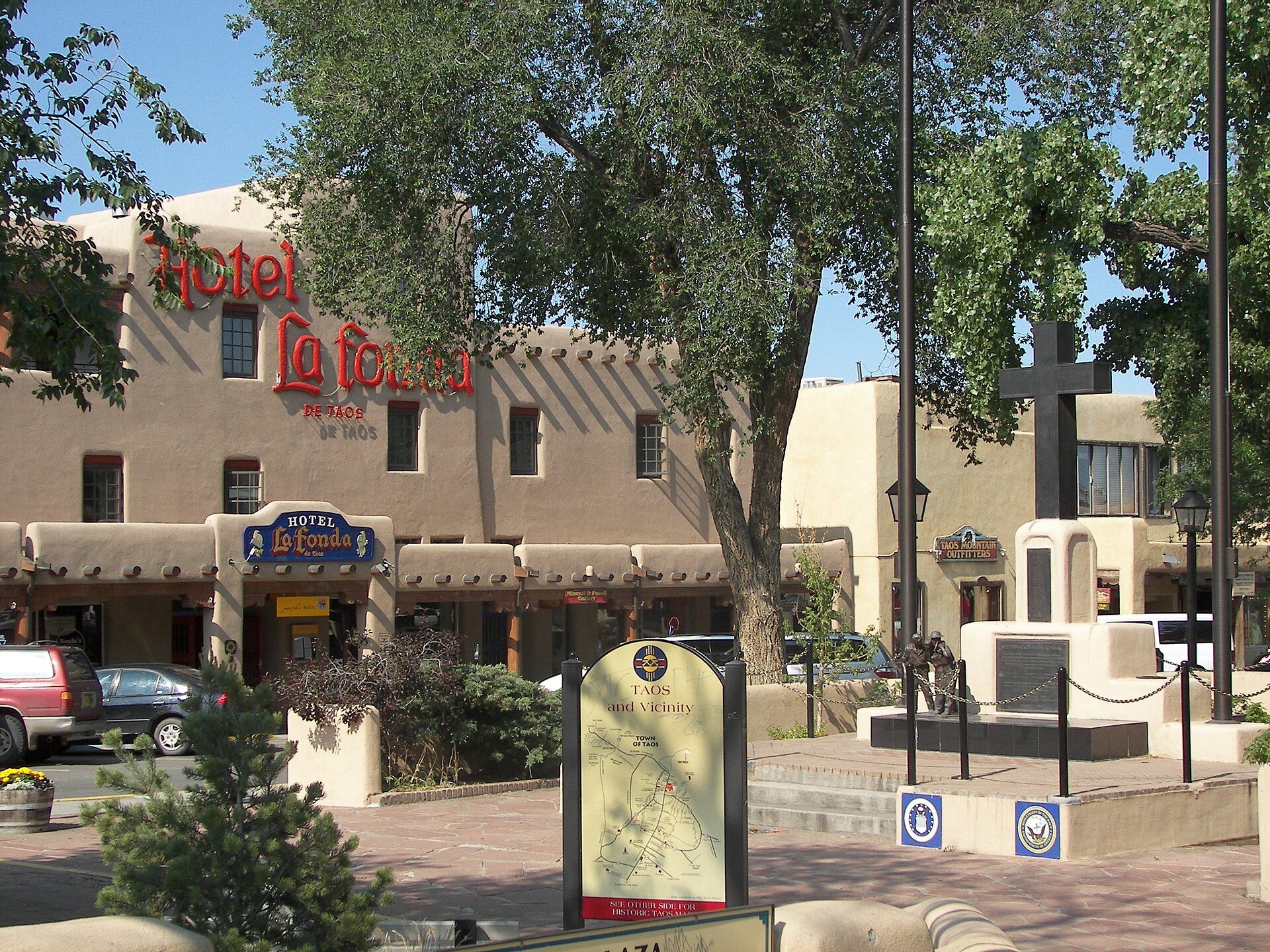
Taos splits its identity between two places twenty miles apart, and both are worth the trip. Taos Ski Valley is a steep, serious mountain that held onto its no-snowboarding reputation for decades and still skis like a mountain for people who mean it. The town of Taos, down in the valley, is one of the oldest continuously inhabited places in the country, anchored by the thousand-year-old adobe of Taos Pueblo and a centuries-deep arts community. No other ski destination in America hands you high-desert light, Ancestral Puebloan architecture, and genuine expert terrain in the same week. The caveat is elevation and the drive between the two, but the combination is unlike anywhere else.
7. Whitefish, Montana

Whitefish is the antidote to the billionaire’s-playground ski town, and it is increasingly rare. A real Montana railroad town on the shore of its own lake, it sits below Whitefish Mountain Resort and beside the western edge of Glacier National Park, and it has kept an unpretentious, working character that Colorado mostly priced out years ago. The skiing is genuinely good and often wrapped in the atmospheric fog the locals call the ghost trees, when rime ice turns the summit firs into white statues. It is more remote and more affordable than its peers, and the caveat is simply weather: that same fog that makes the trees beautiful can flatten the light for days.
8. Ketchum and Sun Valley, Idaho
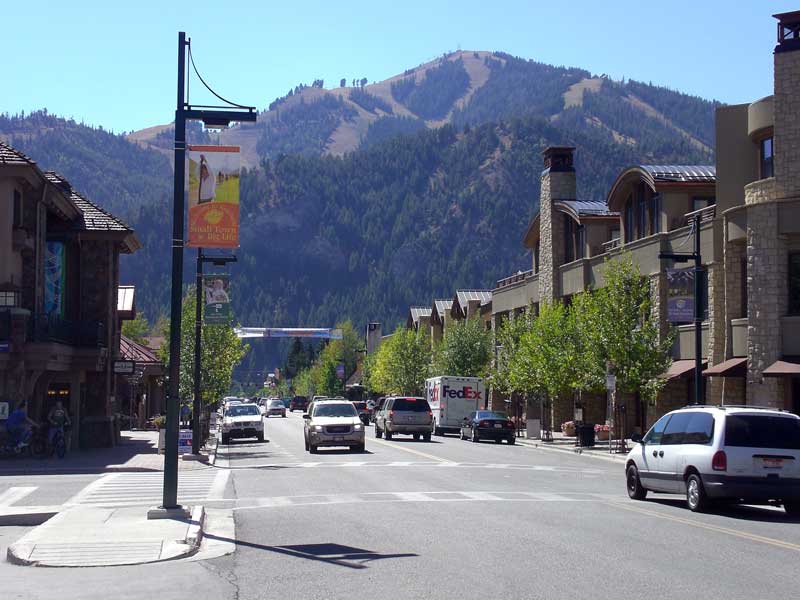
Sun Valley was America’s first destination ski resort, built by a railroad in 1936, and it invented the chairlift itself. But the living, breathing part of the equation is Ketchum, the town next door, where Hemingway spent his last years and is buried in the cemetery. Bald Mountain is one of the best-pitched, most consistent fall-line mountains in the country, beloved by skiers who care more about the quality of the descent than the size of the trail map. Ketchum has kept a genuine main street and a literary, slightly bohemian air that the resort’s polish never quite absorbed. The snow is less abundant than Utah’s, but the mountain and the town are both the real thing.
What connects these eight is a refusal to be only a resort. Some, like Alta, earn their place almost entirely on snow. Others, like Taos and Telluride, would be worth visiting in July. All of them pass the test that the rankings skip: the lifts stop turning at four o’clock, and the town is still there, still itself, still worth the evening. That is the difference between a place you ski and a place you stay.
One honest closing note for planning. Snowfall figures are long-term averages, and any single season can embarrass them in either direction. Check conditions before you commit, favor late January through March for the deepest reliable base, and remember that the town-level snow totals above are lower than the summit numbers the resorts advertise, because you sleep down where the numbers are smaller.
All photographs are freely licensed via Wikimedia Commons. Photographers are credited beneath each image.