

Every travel magazine keeps a version of this list in rotation. The most beautiful places in America, the best mountain towns, the prettiest drives. Most of them are written for looking. You scroll, you admire, you close the tab. This list is written for staying. There is a difference between beauty you pass through and beauty you wake up inside, and it is roughly the difference between seeing a photograph of Oak Creek and hearing it through an open window at six in the morning.
So the criteria here are stricter than a photo gallery. Each place has to hold up for a week, not an afternoon. The landscape has to be the kind that rearranges you a little. The town has to be human-scaled enough that you can walk to coffee. And there has to be somewhere to actually stay, because a beautiful place you can only drive past is a postcard, not a destination. All ten of these are in the American West, which is not an accident. It is where the country keeps most of its vertical drama.
1. Sedona, Arizona
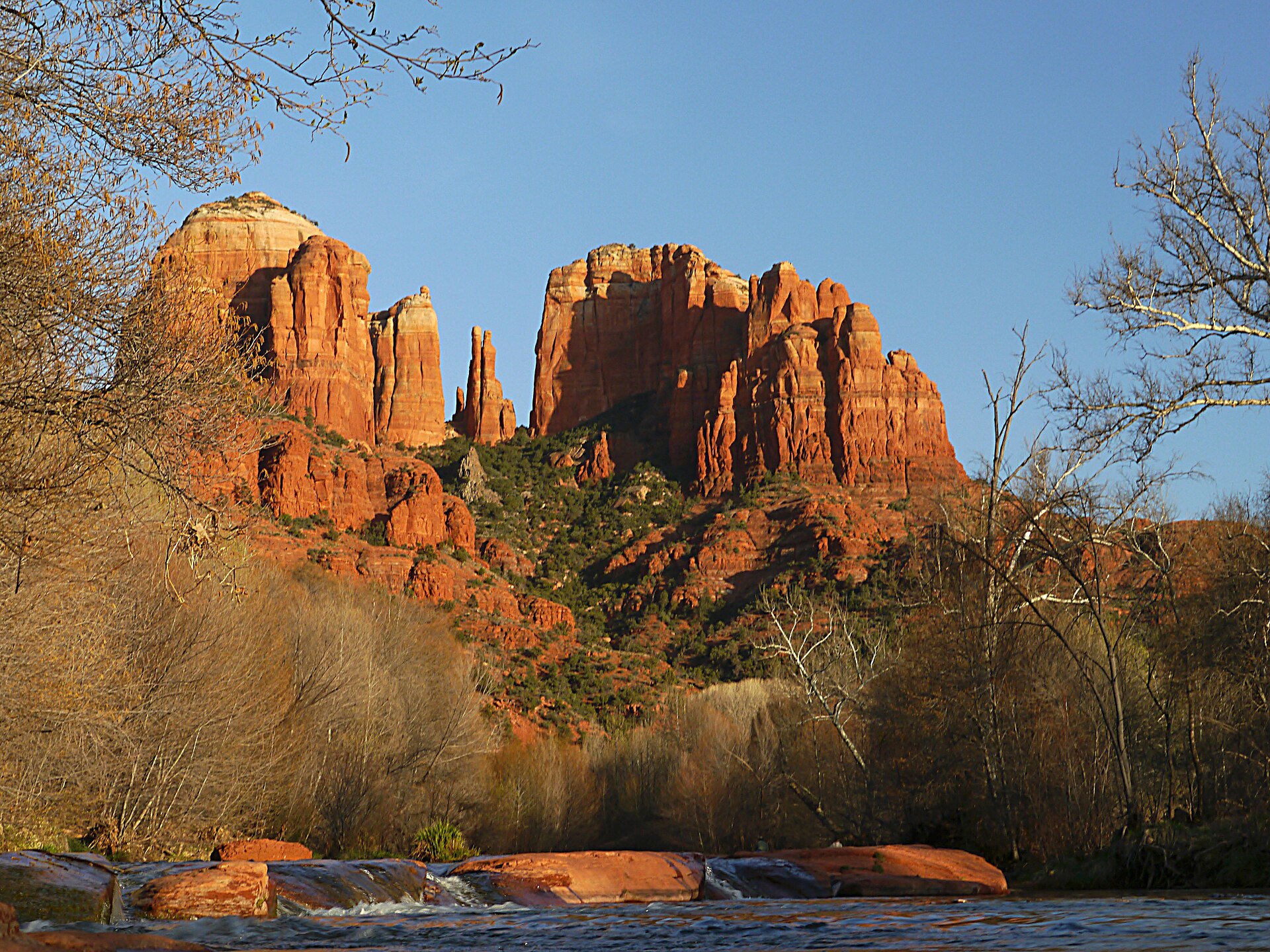
Sedona is what happens when 300 million years of iron-stained sandstone gets carved by a creek and lit by a desert sky. The red rock formations, Cathedral, Bell, Courthouse Butte, glow like coals in the last hour before sunset, and the town sits inside 1.8 million acres of national forest with more than 400 miles of trail leaving practically from the sidewalk. The honest caveat is that everyone knows. High season brings traffic that can make Uptown feel like a theme park queue. Come in late fall or February, base yourself in West Sedona or the Village of Oak Creek, and walk into the forest before nine. The rocks do not care about the crowds, and neither will you once you are ten minutes up a trail.
2. Telluride, Colorado
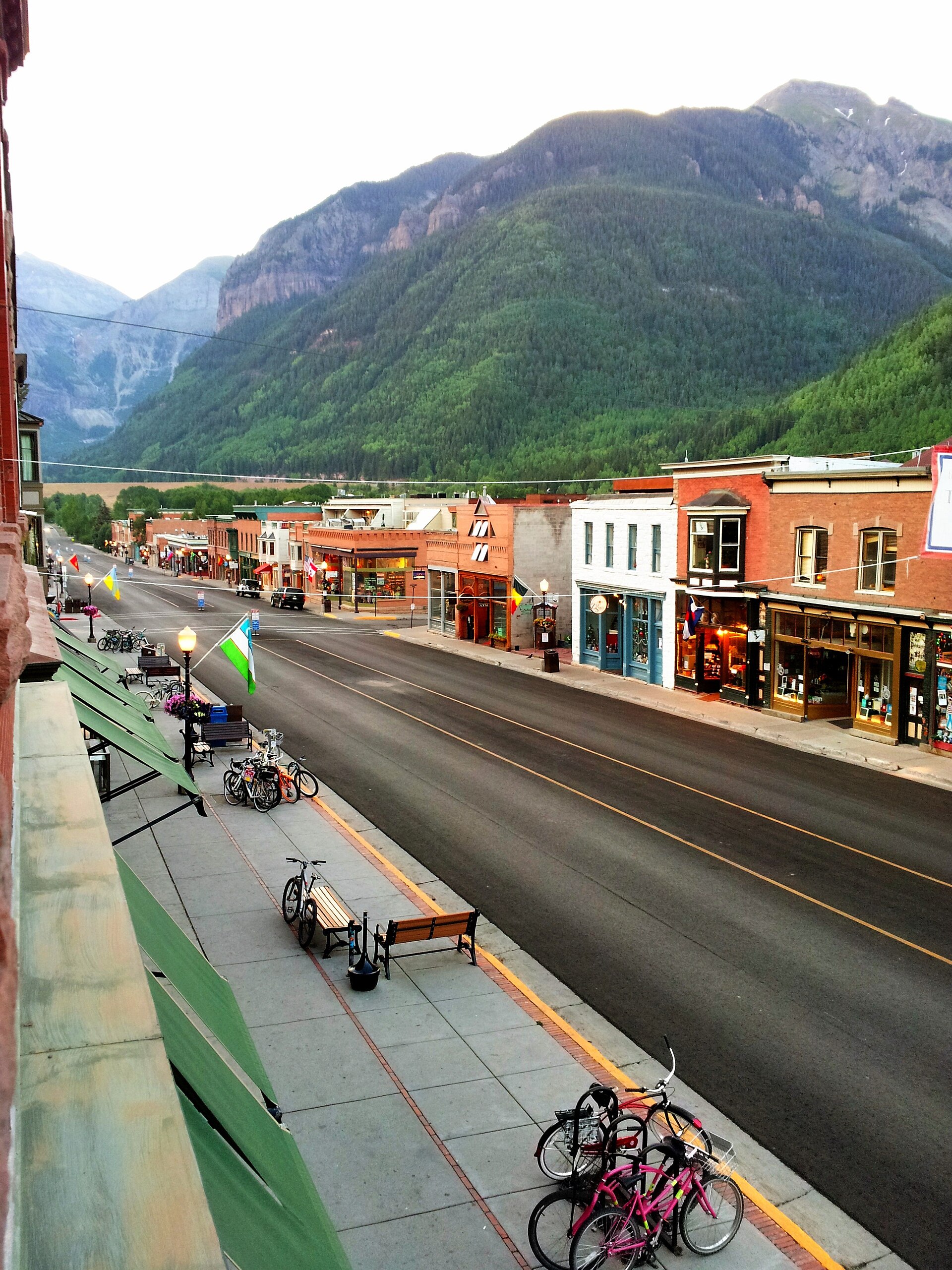
Telluride sits at the closed end of a box canyon in the San Juans, which means the town does not trail off into sprawl. It simply ends where the mountains begin, with Bridal Veil Falls hanging 365 feet off the canyon wall as punctuation. Getting there is genuinely inconvenient, six hours from Denver, a small regional airport, and that inconvenience is the preservative. Summer brings wildflowers and a festival calendar that outpunches towns ten times its size. The Victorian main street is a National Historic Landmark District, and the free gondola over the ridge to Mountain Village may be the most beautiful piece of public transit in the country.
3. Moab, Utah
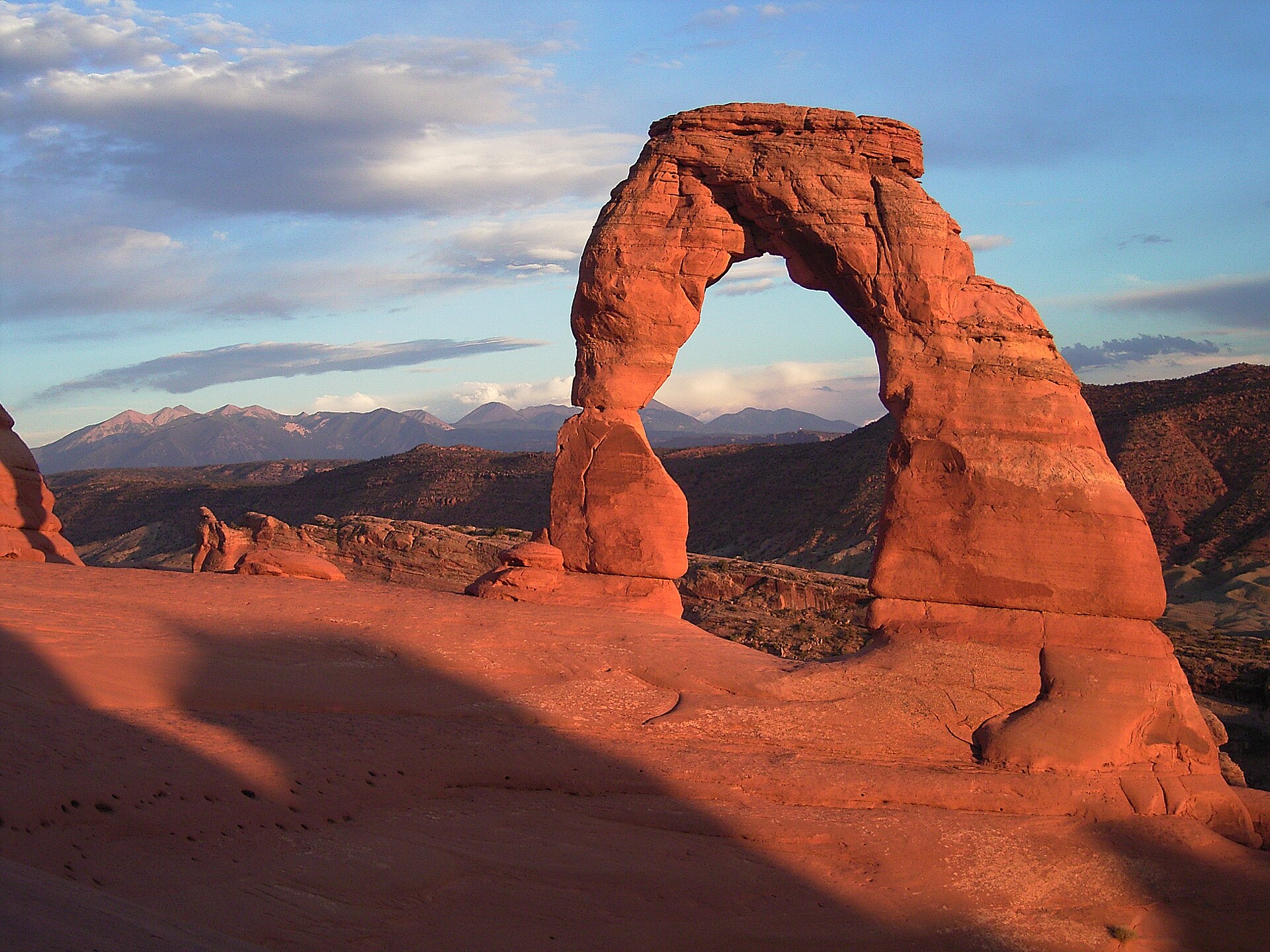
Moab is the base camp for a concentration of stone unlike anywhere else on Earth. Arches National Park holds more than 2,000 natural sandstone arches just north of town, Canyonlands opens its enormous quiet to the west, and the Colorado River runs red between them. Watching first light hit Delicate Arch is one of the few famous experiences that survives its own fame. The caveat is thermal. Summer afternoons routinely pass 100 degrees, and the desert does not negotiate. Come in April, May, September, or October, when the mornings are cold, the light is long, and the slickrock is exactly the temperature of a living thing.
4. Santa Fe, New Mexico
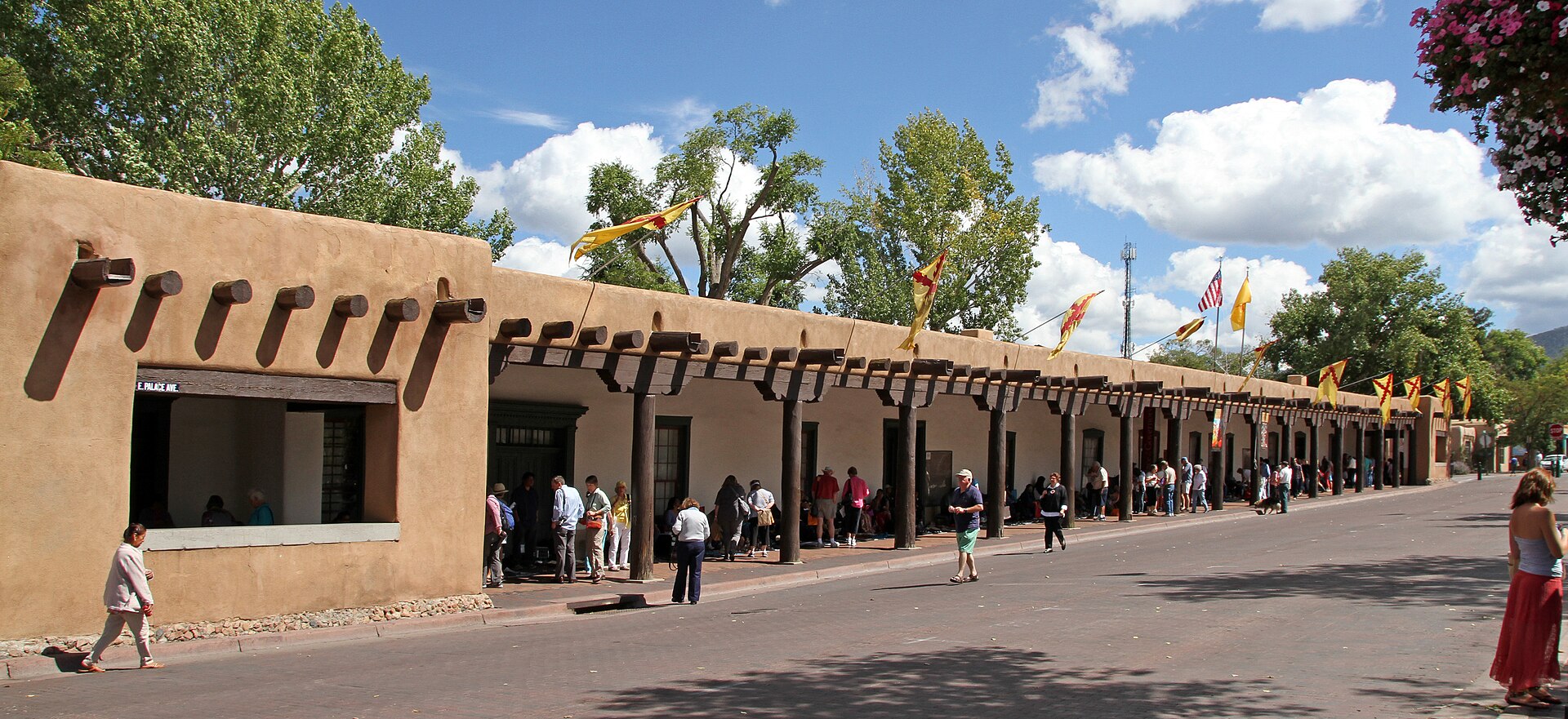
Santa Fe earns its place on this list differently. The beauty here is as much cultural as geological, four centuries of adobe holding the line at 7,000 feet, with the Sangre de Cristo mountains going violet behind the plaza at dusk. The light is the thing painters kept moving here for, thin and clean and slightly unreal, and it is still doing whatever it did for O’Keeffe. The food is a regional cuisine with its own vocabulary, the oldest capital city in the country wears its age without embalming it, and the ski basin is thirty minutes from a 400-year-old church. Few places in America let you hold all of that in one week.
5. Lake Tahoe, California and Nevada
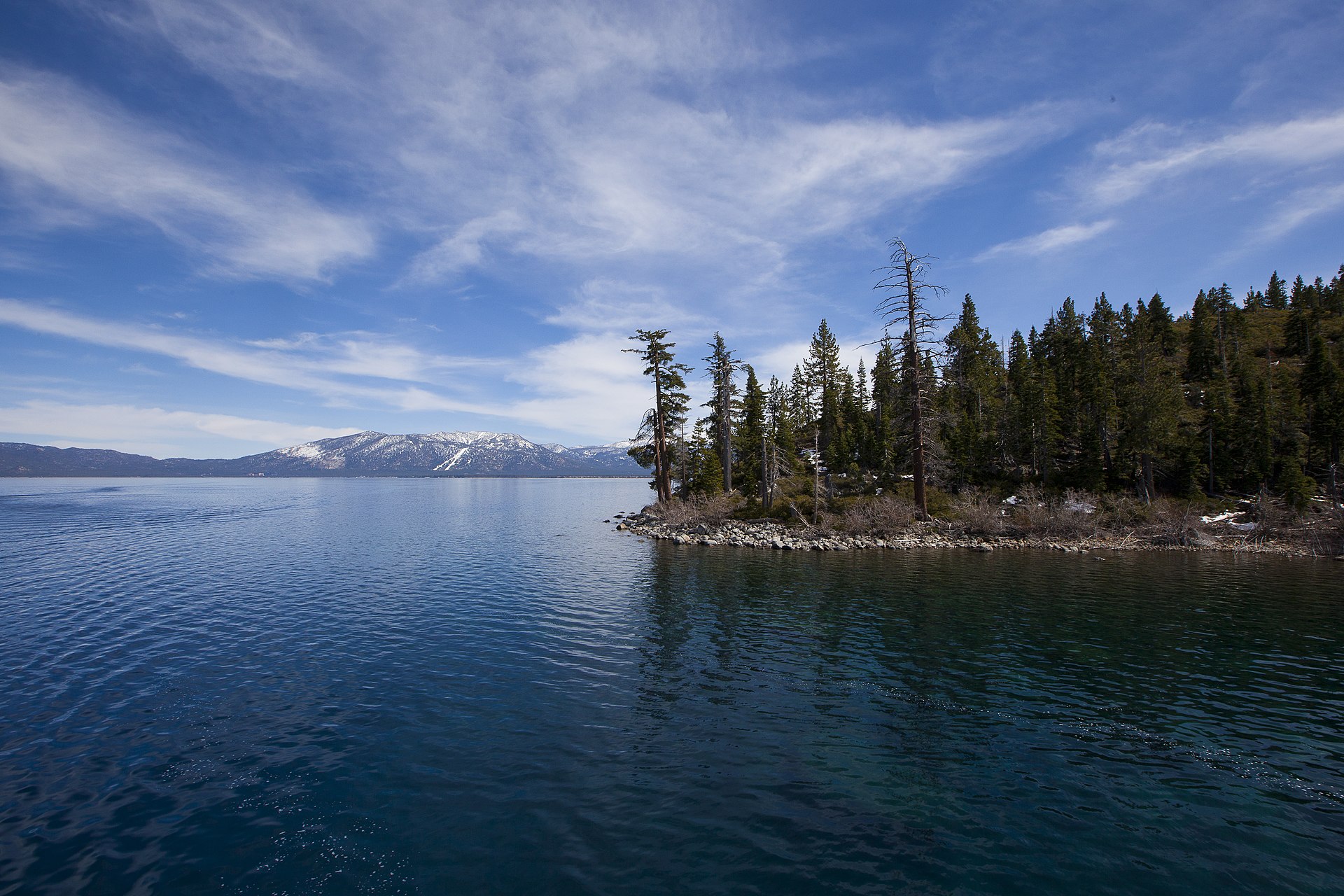
Tahoe is an alpine lake of almost implausible clarity, 22 miles long, ringed by peaks, split between two states that share custody of the blue. The east shore coves, Sand Harbor, Secret Cove, look lifted from a coastline three thousand miles away, except the water is snowmelt and the beach backs into Jeffrey pine. Winter delivers real skiing at a dozen resorts; summer delivers water so clear you can watch your own shadow on granite thirty feet down. The caveat is arithmetic: it sits a few hours from several million Californians, and weekend traffic on Highways 50 and 80 proves it. Stay midweek, stay on the east shore, and the lake goes quiet.
6. Park City, Utah
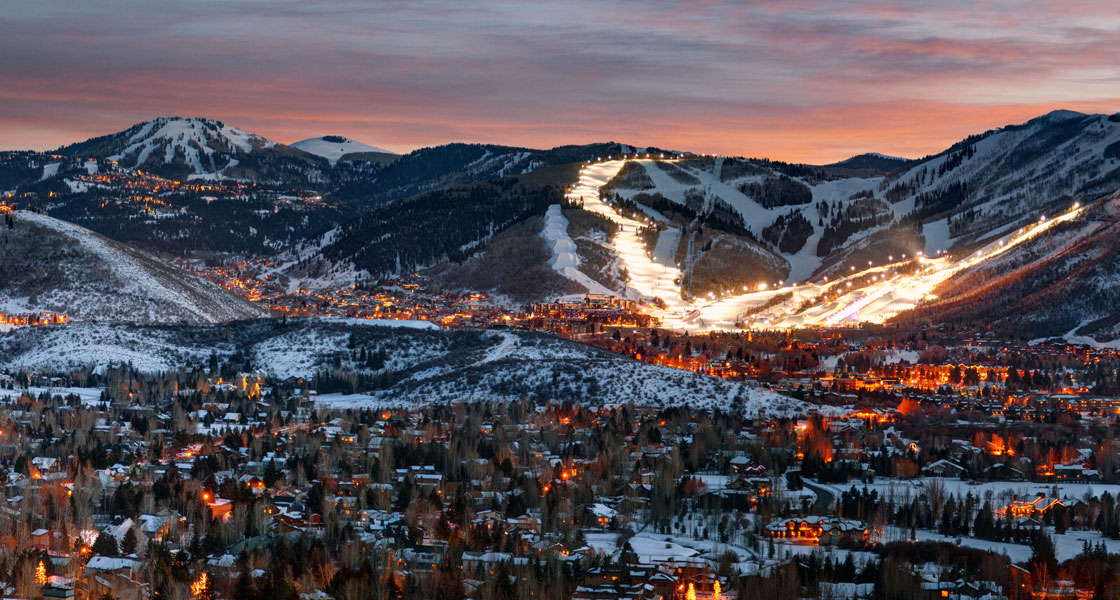
Park City is the most convenient beauty on this list, thirty-five minutes from a major international airport, which in mountain-town terms is science fiction. A silver-mining main street runs uphill into the Wasatch, the ski terrain is enormous, and summer turns the same slopes into four hundred miles of singletrack. It is also, candidly, the least wild place here. The wilderness is groomed at the edges, the real estate is serious, and you will not mistake it for Telluride’s remoteness. But there is an honest case for a place where the mountains are this good and the logistics this easy, and Park City makes that case better than anywhere in the country.
7. Bozeman, Montana
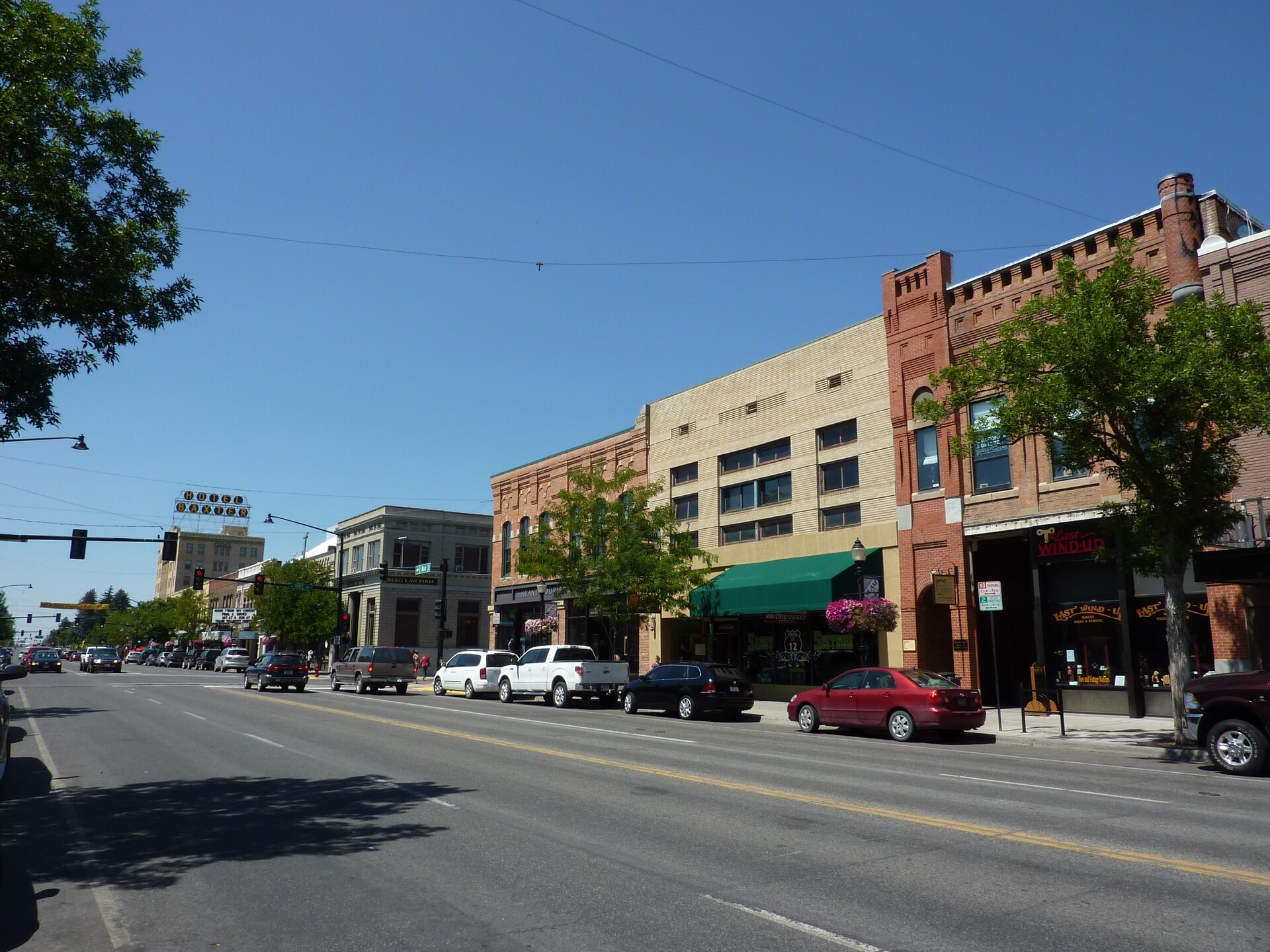
Bozeman sits in the Gallatin Valley with four mountain ranges visible from town, the Bridgers, the Gallatins, the Madisons, the Tobacco Roots, which means the horizon works in every direction. Yellowstone’s north entrance is ninety minutes down a river canyon that holds some of the best trout water in the world. The town itself has kept a working main street, a university’s worth of energy, and winters that mean it. The caveat is velocity. Bozeman is one of the fastest-growing small cities in America, and it is negotiating in real time what that growth costs. Go now, and go shoulder season, when the valley belongs to the people who live there.
8. Breckenridge, Colorado

Breckenridge is a Victorian mining town parked at 9,600 feet beneath the Tenmile Range, and the elevation is both the caveat and the point. The air is thin enough that your first two days should be gentle ones, hydrate, walk, resist the summit. What you get in exchange is a main street of 1880s storefronts with 13,000-foot peaks standing directly behind them, skiing that runs into May, and summer alpine light that makes the whole valley look freshly rinsed. Of Summit County’s towns it is the one with the most intact sense of itself, a real place that happens to host a resort rather than the other way around.
9. Springdale and Zion, Utah
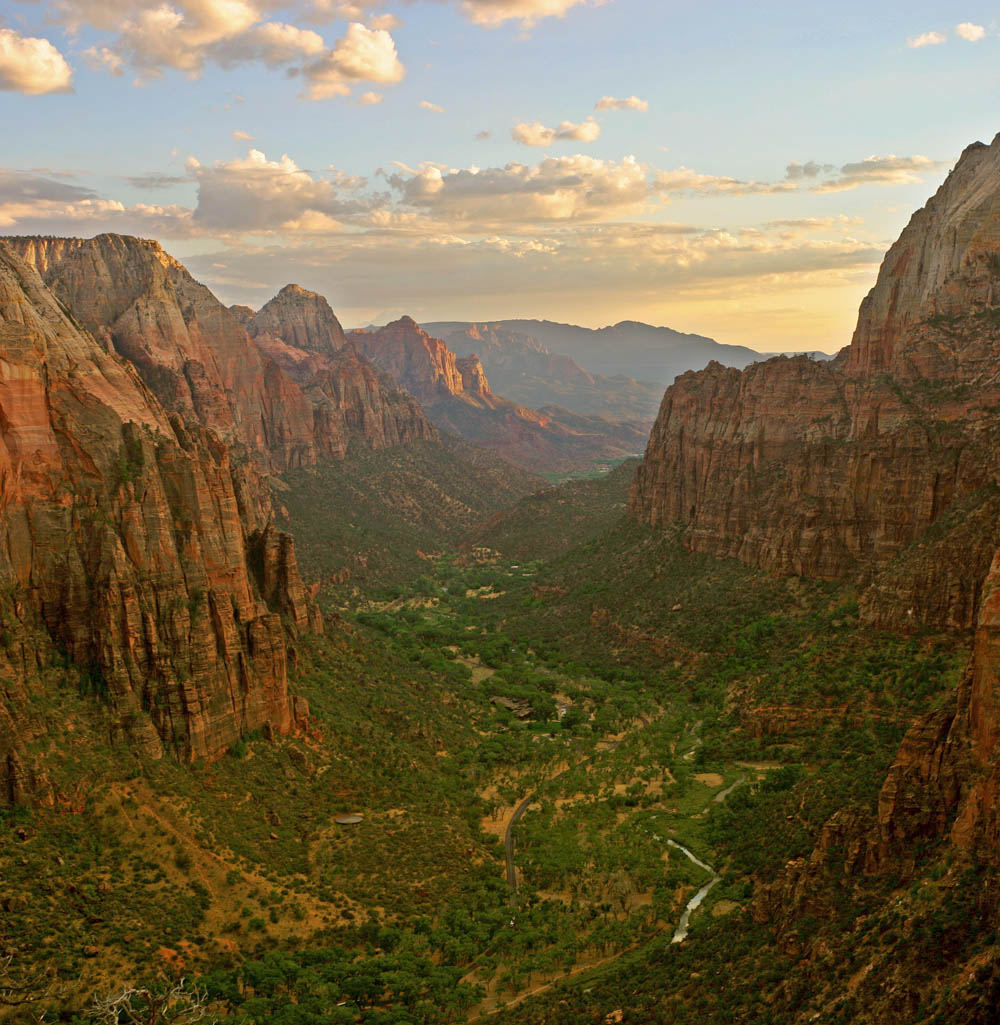
Zion Canyon is where the Virgin River, a stream you could wade across in a minute, has cut half a vertical mile into Navajo sandstone. The walls run two thousand feet and higher, and standing on the canyon floor among cottonwoods while that much stone leans over you is the closest thing American landscape offers to a cathedral interior. Springdale, the gateway town, sits directly against the park boundary, so you can walk from your lodging to the shuttle. The caveat is that four and a half million people a year agree with everything above. Come in the cold months, or be on the first shuttle of the morning, and the canyon will still do what it has always done.
10. Torrey Pines, San Diego

The West’s beauty is not all elevation. Torrey Pines State Natural Reserve protects the rarest pine in North America, a few thousand wind-sculpted trees that grow naturally in exactly two places on Earth, on golden sandstone bluffs falling straight into the Pacific. The trails wind through badlands the color of raw honey and end on a beach that empties out the moment you walk north. All of this sits inside metropolitan San Diego, which is the astonishing part. The reserve itself has no lodging by design, so stay in Del Mar or La Jolla and arrive when the gates open, when the marine layer is still burning off the bluffs.
Staying, not just seeing
What these ten places share is that people have always marked them. Long before travel writing existed, travelers stacked stones where a landscape demanded acknowledgment. That instinct, the need to say this place matters, is the entire reason lists like this one keep getting written and read. Our answer to it is to write about these places the way you would describe them to a friend deciding where to spend a real week, honestly, caveats included.
This is the first in a series. Each of these places will eventually get its own full field guide covering seasons, trails, and where to stay. For the deeper story of the landscapes themselves, the bioregions, the ecology, the organizations working to keep them intact, visit our nonprofit hub at IdealLocation.org.
All photographs are freely licensed via Wikimedia Commons. Photographers are credited beneath each image.