

A great beach and a great beach town are not the same thing. Plenty of gorgeous coastline is fronted by a wall of condos and a single overwhelmed grocery store, which is fine for a day trip and punishing for a week. The difference reveals itself somewhere around day three, when the novelty of the sand wears off and you find yourself wanting a good meal, a walkable street, a bookstore, a reason to be out of the sun.
So this list applies a stricter filter than most: not the prettiest beaches, but the towns that reward a full week. Every entry has a genuine core you can explore on foot, a dining and shopping scene with some depth, and enough character to carry the hours between beach sessions. Several are walkable enough that you can park the car on arrival and not touch it again until you leave, which is its own kind of vacation.
We span both coasts and one great lake, because a beach town does not require an ocean, only a shoreline a town has organized its life around. What unites them is scale: they are built for people on foot, not cars, and that is what turns a beach trip into a real escape.
1. Carmel-by-the-Sea, California

Carmel is less a beach town than a storybook village that happens to end at a white-sand beach, and it may be the most walkable coastal town in the country, scoring in the 90s on Walk Score. The entire place fits in one square mile, famously without street addresses or traffic lights, and packs in something like a hundred art galleries, hidden courtyards, and serious restaurants along Ocean Avenue, which runs downhill to a beach framed by cypress. It is a dog haven, one of the few off-leash beaches in California, and Clint Eastwood was once its mayor. The caveat is that all this charm is priced accordingly, and the square mile can feel crowded at peak times. But for a week on foot, few places compare.
2. Cannon Beach, Oregon

Cannon Beach corrects the assumption that beach towns require warm water. This is the Pacific Northwest coast, dramatic and moody, with Haystack Rock rising 235 feet out of the surf as one of the most photographed sea stacks in the world. National Geographic once named it among the planet’s most beautiful places. The village itself is quiet and made for wandering, galleries and cafes and local shops you can walk between before heading to the wide beach, and it is easy to reach, under two hours from Portland. The water is too cold for swimming and the weather is honest about being Oregon, but for tide pools, storm watching, and long grey-sky walks, it is unmatched. Twenty minutes south, Manzanita offers the same coast with fewer people.
3. Beaufort, South Carolina
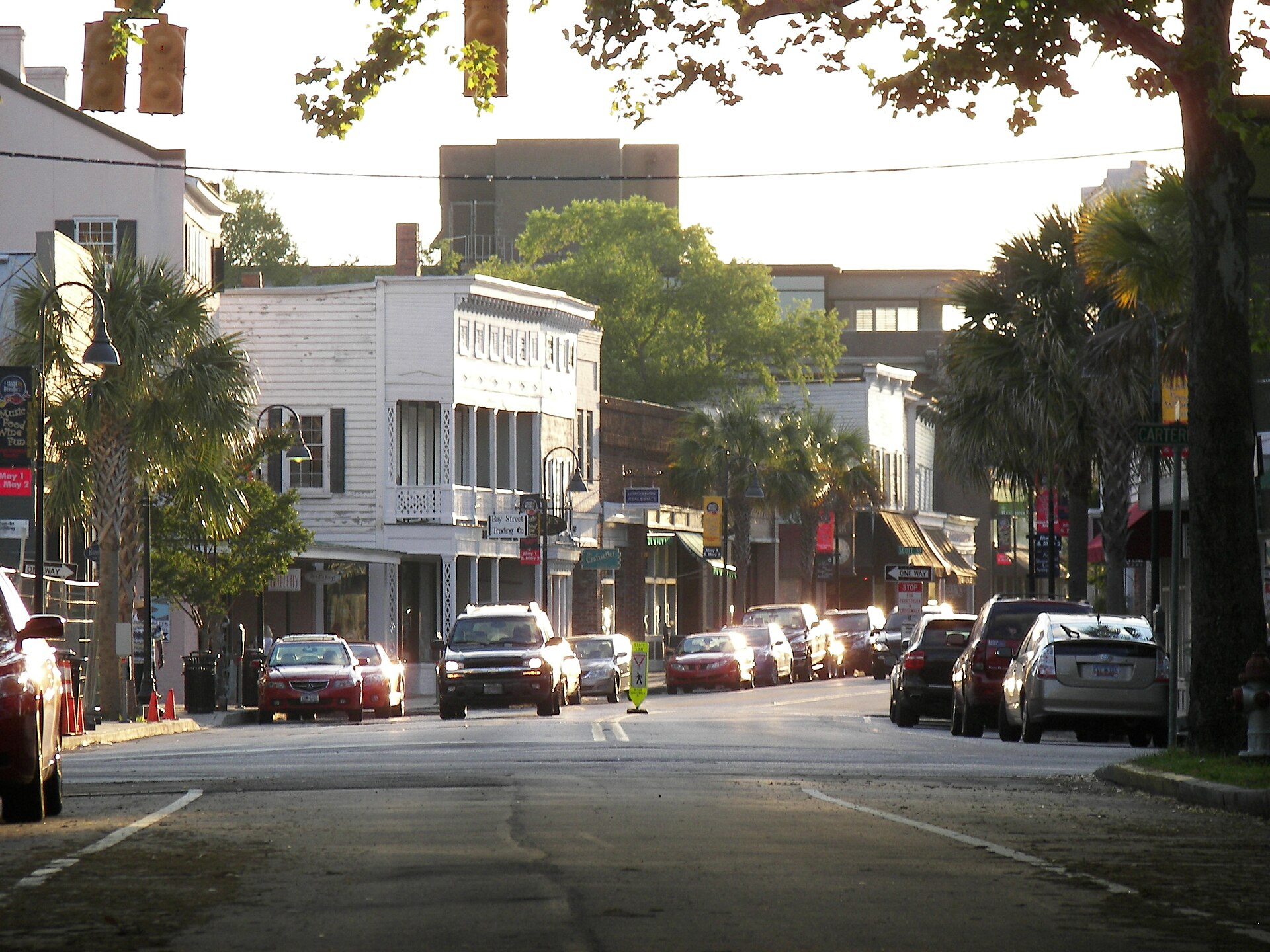
Beaufort is the Lowcountry at its most graceful: moss-draped live oaks, antebellum mansions, and a walkable waterfront so well preserved that Hollywood keeps using it as a film set. This is a town for slow days, wandering tree-lined streets, sitting in the waterfront park, and eating exceptionally well, since the local restaurants have turned classic Southern cooking into a genuine food destination. The actual beaches sit a short drive out on the sea islands, particularly Hunting Island with its wild, undeveloped shore, which means Beaufort gives you a historic town to sleep in and quiet beaches to visit. The caveat is summer, when Lowcountry heat and humidity are intense and the no-see-ums come out at dusk.
4. Cape May, New Jersey
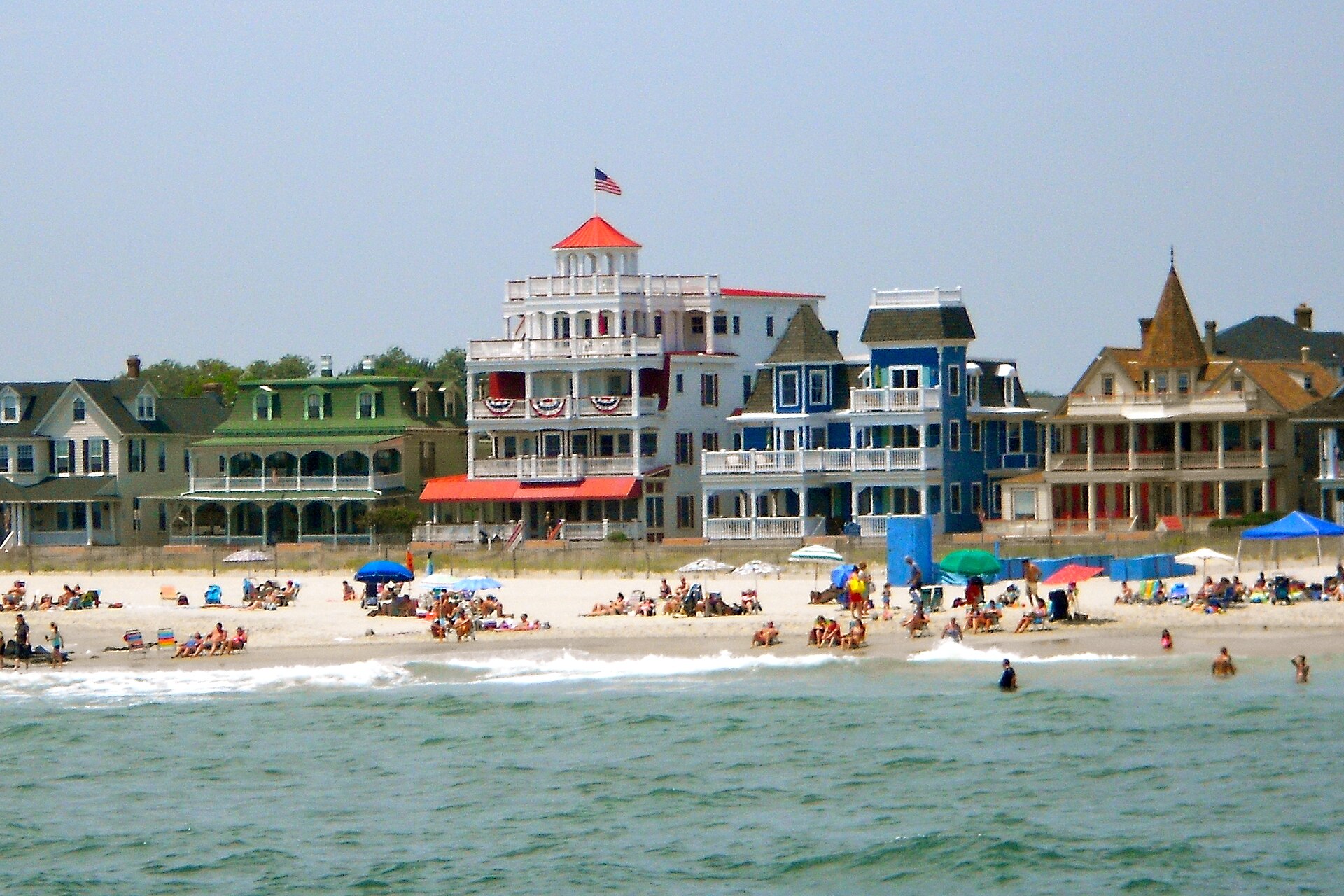
Cape May is one of America’s oldest seaside resorts, and it wears its age beautifully. The entire town is a showcase of Victorian architecture, gingerbread trim and wraparound porches and pastel painted ladies lining a strollable downtown, backed by a classic promenade and a wide beach. It sits at the very southern tip of New Jersey, far enough from the boardwalk clamor of the northern shore to keep a genteel, slower pace. It is also one of the best birding spots on the East Coast, a major migration funnel that draws watchers every fall. The pace is deliberately unhurried and the Victorian gentility is the entire point, so travelers looking for nightlife should look elsewhere.
5. Coronado, California

Coronado offers something rare: a genuine beach-town feel directly across the bay from a major city. Connected to San Diego by its soaring bridge, the island combines a wide, gently sloping beach regularly ranked among the best in the country with a historic, walkable downtown centered on Orange Avenue. The landmark 1888 Hotel del Coronado anchors the whole scene, a red-turreted Victorian resort that has hosted presidents and film shoots for well over a century. Because it is part of the San Diego metro, you get the amenities and dining of a city with the pace of an island, plus the region’s famously perfect climate. The tradeoff is that this is not a hidden gem, and prices and crowds reflect its reputation.
6. Saugatuck, Michigan
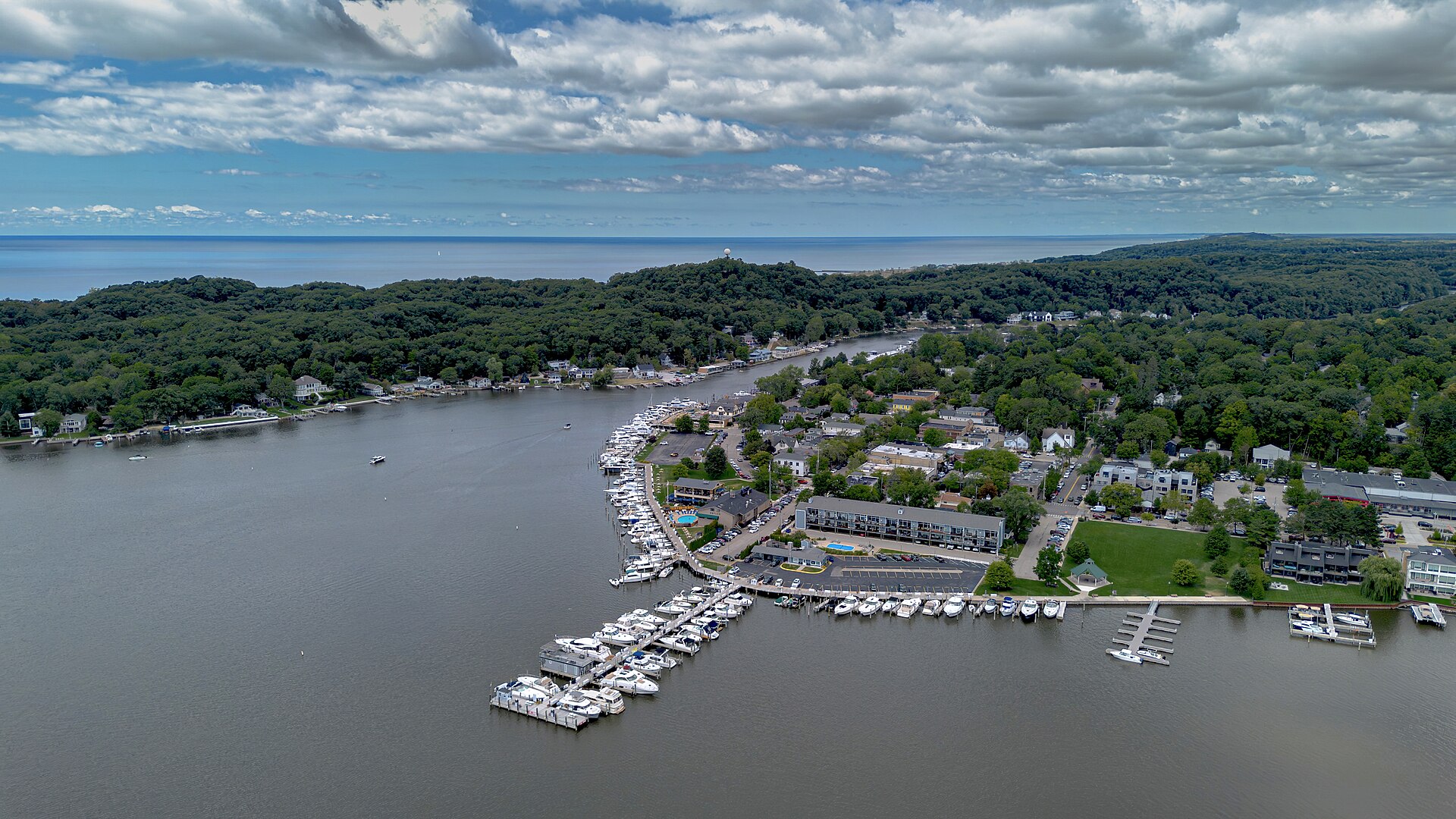
Saugatuck proves a town does not need an ocean to be a beach town. It sits on the shore of Lake Michigan, whose freshwater beaches rival any coast, about two hours from Chicago, and it has been an artist colony for over a century, giving it a creative, welcoming character rare in a resort of its size. Downtown runs to galleries, breweries, diners, and cafes within an easy walk, and just beyond sit the wide sands of Oval Beach and towering dunes you can climb for a view across the lake. It is walkable, family-friendly, and genuinely charming. The honest caveat is the calendar: this is the Midwest, the season is short and summer-focused, and winters shut much of the town down.
7. Kennebunkport, Maine
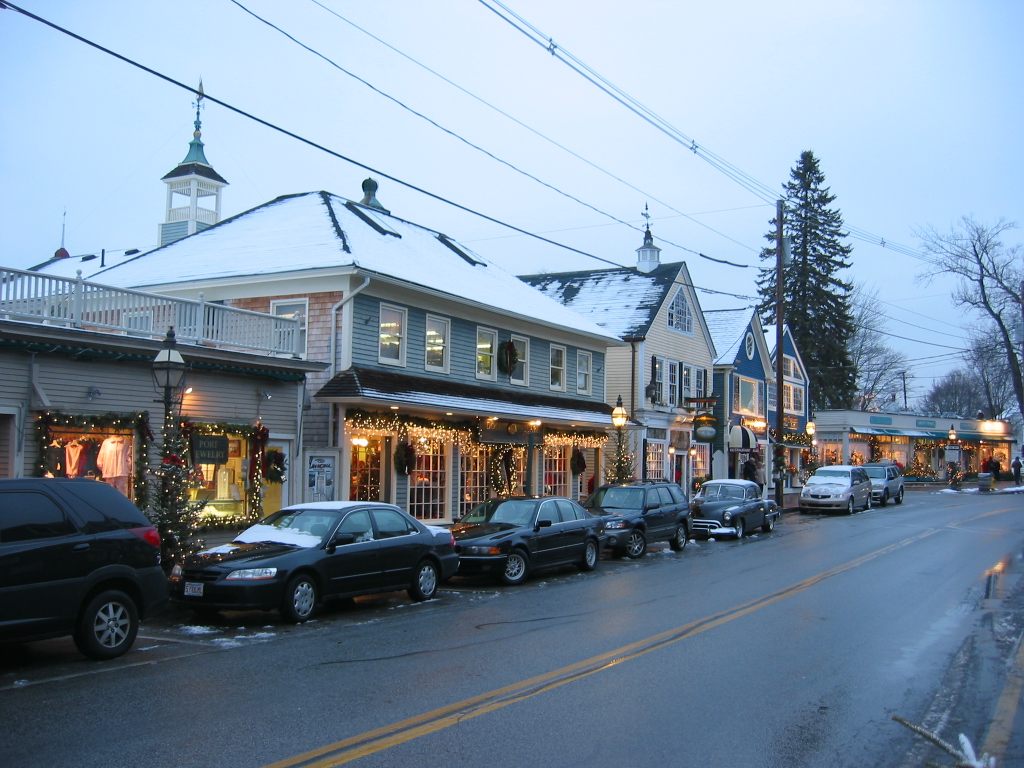
Kennebunkport is quintessential coastal New England, centered on the postcard-perfect Dock Square where weathered shingled buildings house boutiques, galleries, and seafood spots. Lobster boats bob in the harbor, rocky coves give way to sandy beaches, and the whole town radiates crisp, salt-air Maine charm. It is compact and scenic and made for strolling, with a genuinely excellent food scene built on what comes off the boats each morning. This is a place to eat lobster rolls, walk the rocky Marginal Way nearby, and watch the harbor work. The caveat is the New England season: Kennebunkport is glorious from June through October and largely hibernates the rest of the year, so timing is everything.
8. Mendocino, California
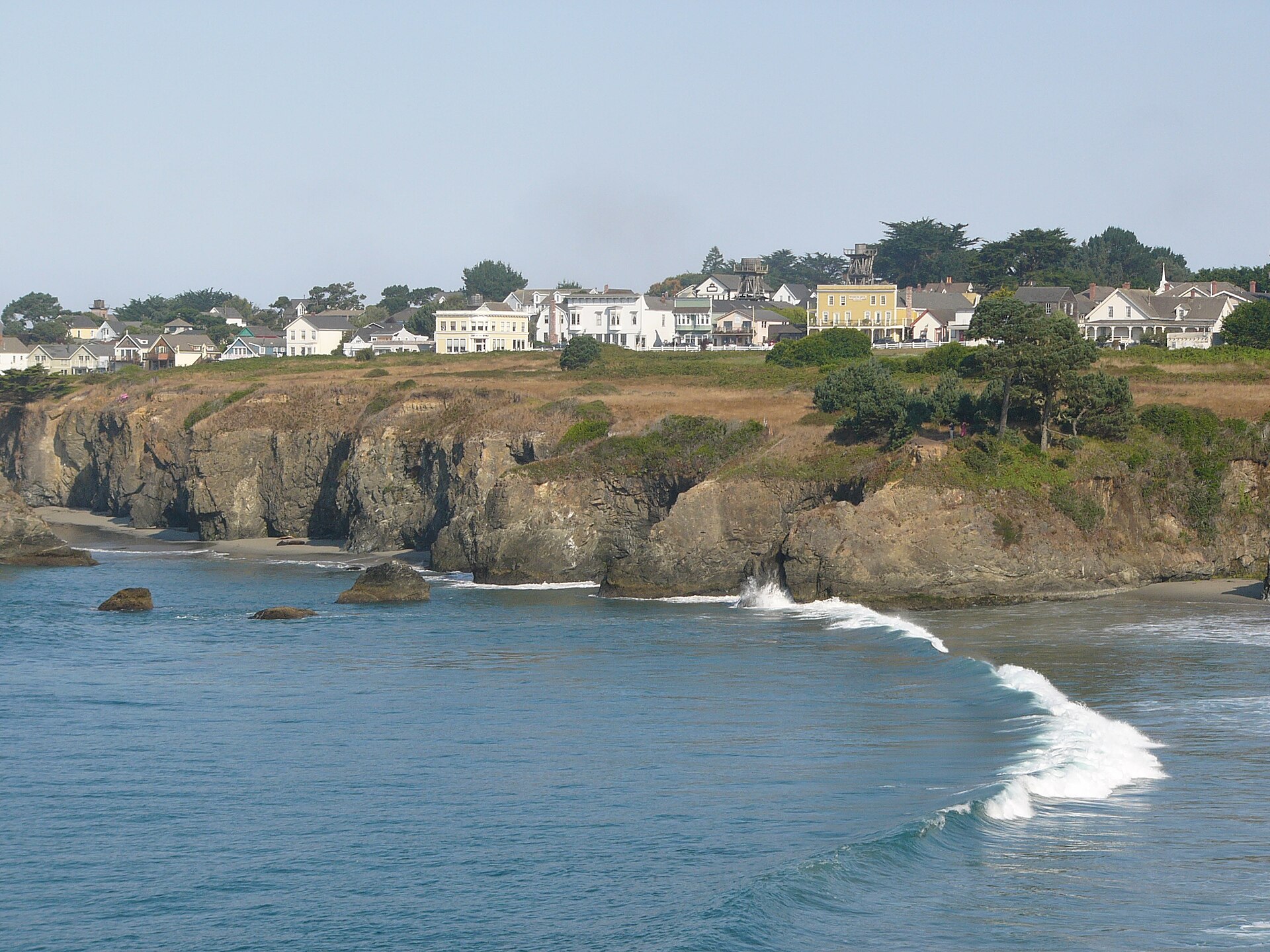
Mendocino sits on a headland high above the Pacific on California’s far north coast, a village of Victorian and New England-style architecture that looks more like coastal Maine than the popular image of California, which is exactly its appeal. It is remote, roughly three and a half hours north of San Francisco on winding coast highway, and that distance has preserved it. The town is tiny and artistic, full of galleries and inns, ringed by headland trails where the land drops to sea caves and blowholes, with redwoods just inland. There is no big beach scene here and the water is cold and wild; you come for the dramatic bluffs, the quiet, and the light. The remoteness that keeps it special also makes it a commitment to reach.
9. Rehoboth Beach, Delaware
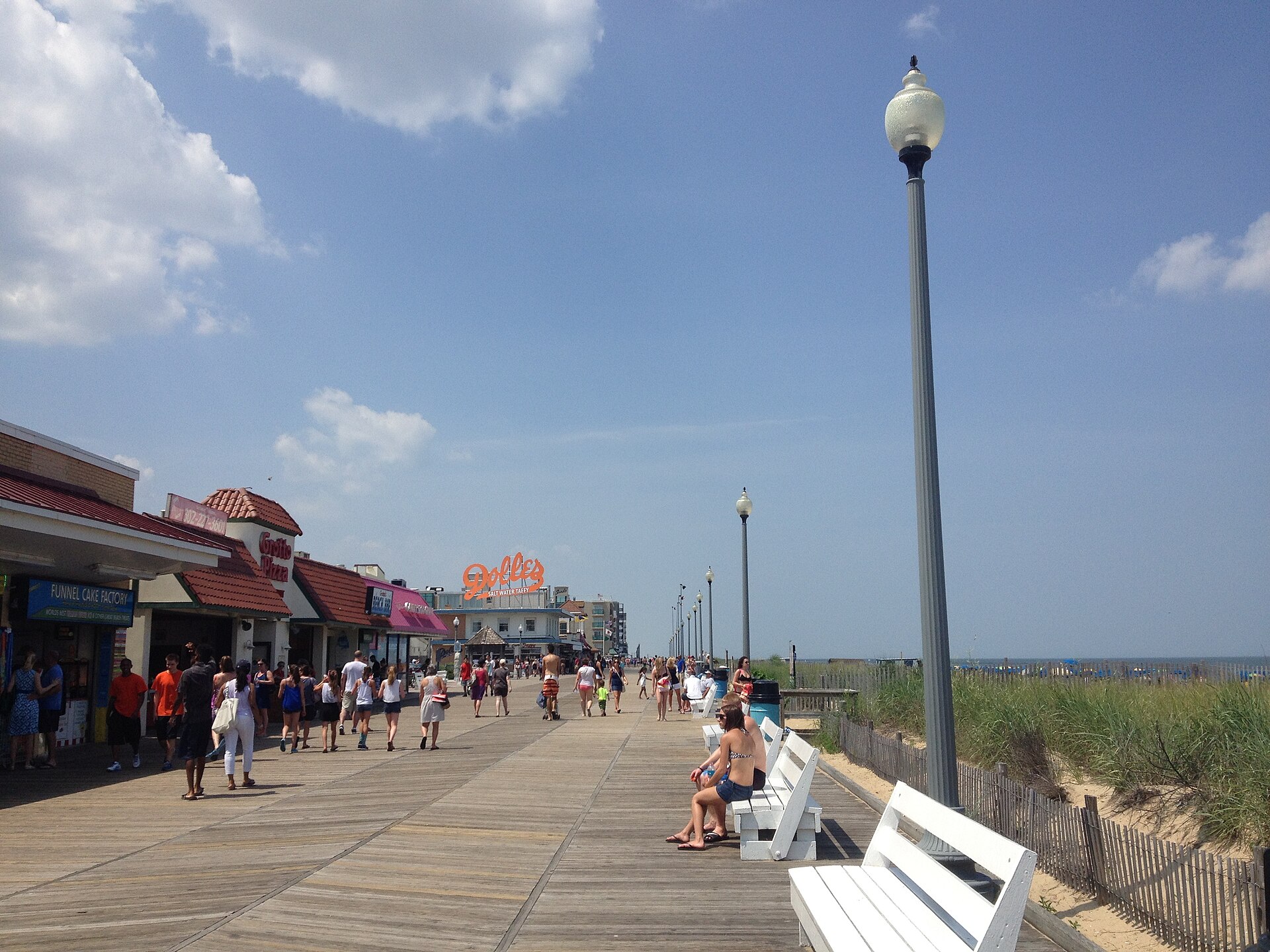
Rehoboth, often called the Nation’s Summer Capital for its proximity to Washington, pulls off a difficult balance: a classic mile-long boardwalk with all its old-fashioned amusements sitting right beside a genuinely charming, walkable downtown full of independent shops and a celebrated restaurant scene. That combination is what earns it a week rather than a weekend, since you can have both the nostalgic boardwalk day and the serious dinner. The beach is wide and the town is welcoming and notably inclusive. It gets busy and traffic on summer weekends can be brutal given how many people drive in from DC and Baltimore, so midweek or shoulder season rewards the patient traveler with the same town at half the intensity.
10. Port Townsend, Washington
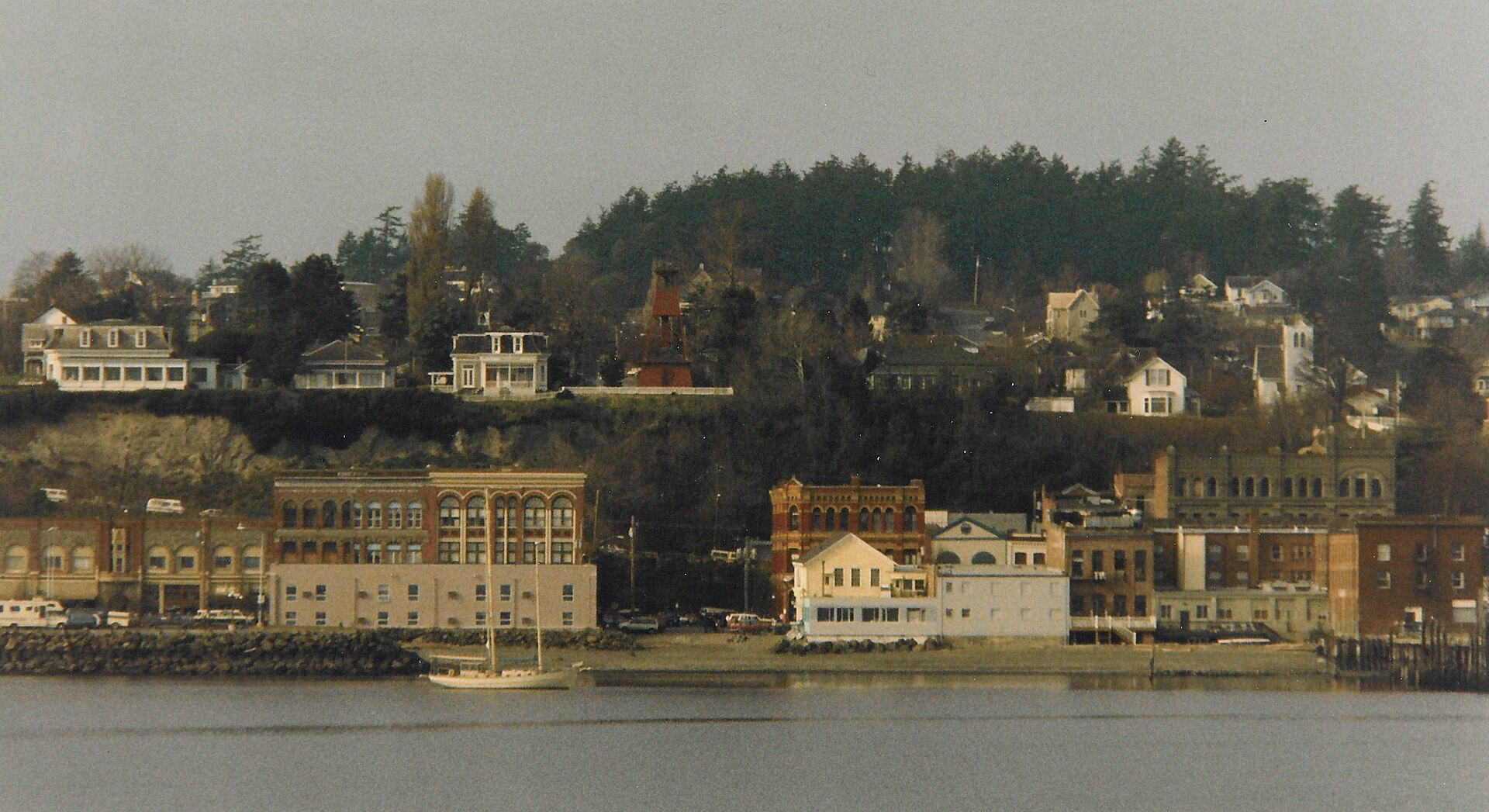
Port Townsend closes the list as the connoisseur’s choice, a Victorian seaport on the tip of the Olympic Peninsula that time somehow passed over. When the town’s expected railroad never arrived in the 1890s, its grand commercial district froze in place, and the result today is one of the best-preserved Victorian seaports in the country, a designated National Historic Landmark. It is a working town with a serious maritime and wooden-boat culture, an arts scene, and access to the wild Olympic coast and mountains just beyond. The water is cold and this is decidedly not a swimming-and-sunbathing beach town; it is a place for boat culture, bookstores, bluffs, and using the town as a base for Olympic National Park. That is precisely why it belongs here.
The test that shaped this list was simple: would the town still be worth it on the days you never made it to the sand? Carmel and Cape May pass on sheer walkable charm, Beaufort and Port Townsend on history and food, Saugatuck and Mendocino on their improbable settings. None of them is merely a beach with parking. Each is a place you could happily spend a week, which is a far higher bar than a pretty shoreline.
A closing practical note. Most of these towns are strongly seasonal, and the northern ones especially, Cannon Beach, Saugatuck, Kennebunkport, Port Townsend, run on a tight summer-into-fall calendar. Book lodging well ahead for peak weeks, consider shoulder season for lower prices and thinner crowds, and remember that a cold-water beach town is a different vacation than a warm-water one. Come for the town, and let the beach be the bonus.
All photographs are freely licensed via Wikimedia Commons. Photographers are credited beneath each image.