

A farmers market tells you more about a town than almost anything else. It reveals whether there are real farms nearby, whether the community shows up for them, and whether the local food culture runs deep or is mostly marketing. A great market is a weekly civic ritual, the place where a town gathers, and the towns that have one tend to be the towns worth visiting for everything that ritual implies: good restaurants, a walkable center, a sense of place rooted in the land around it.
This list judges three things together. The market itself, measured honestly by size and by whether it is producer-only, meaning the people selling actually grew or made what is on the table. The food culture of the surrounding town, since a great market usually anchors a great eating scene. And the town itself as a place to spend a few days, because a market is a Saturday morning and you need somewhere worth being the rest of the week.
We kept it to eight genuine standouts rather than padding the list with every pleasant weekend stall in the country. These are the towns where the market is the main event.
1. Madison, Wisconsin
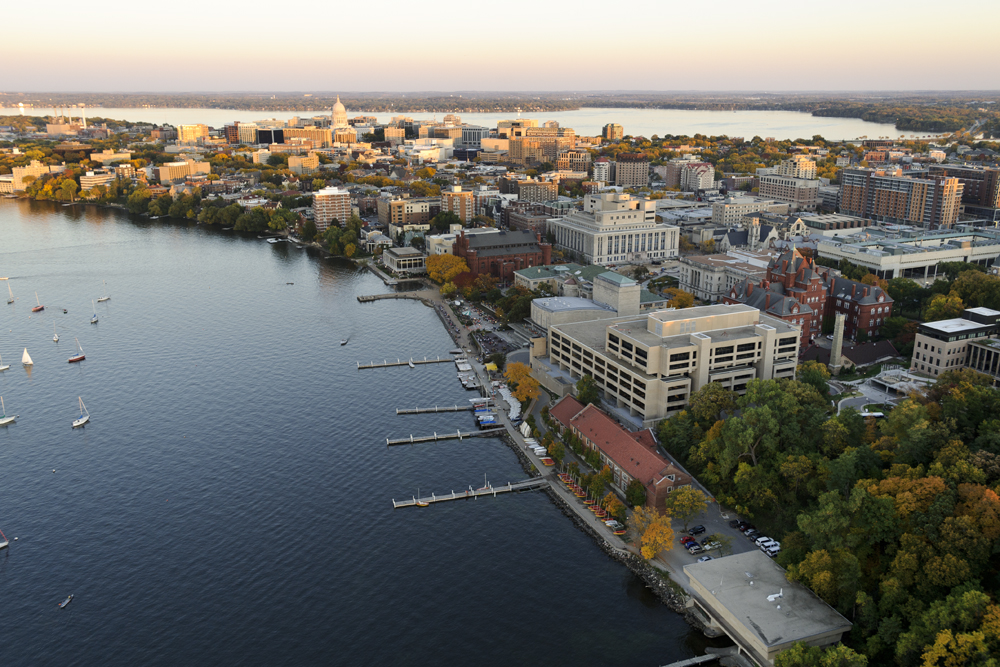
Madison is the undisputed heavyweight. The Dane County Farmers’ Market is the largest producer-only farmers market in the United States, wrapping the entire perimeter of the State Capitol every Saturday with around 275 vendors, and the producer-only rule means every table is staffed by the person who grew the vegetables or made the cheese. It is as much a social institution as a grocery run, and the local ritual is the spicy cheese bread, usually sold out by midday. Beyond the market, Madison is a lively lakeside university town with a serious farm-to-table restaurant scene fed directly by that agricultural bounty. The caveat is the calendar: the outdoor market runs spring through fall, moving to a smaller indoor version for the long Wisconsin winter.
2. Asheville, North Carolina
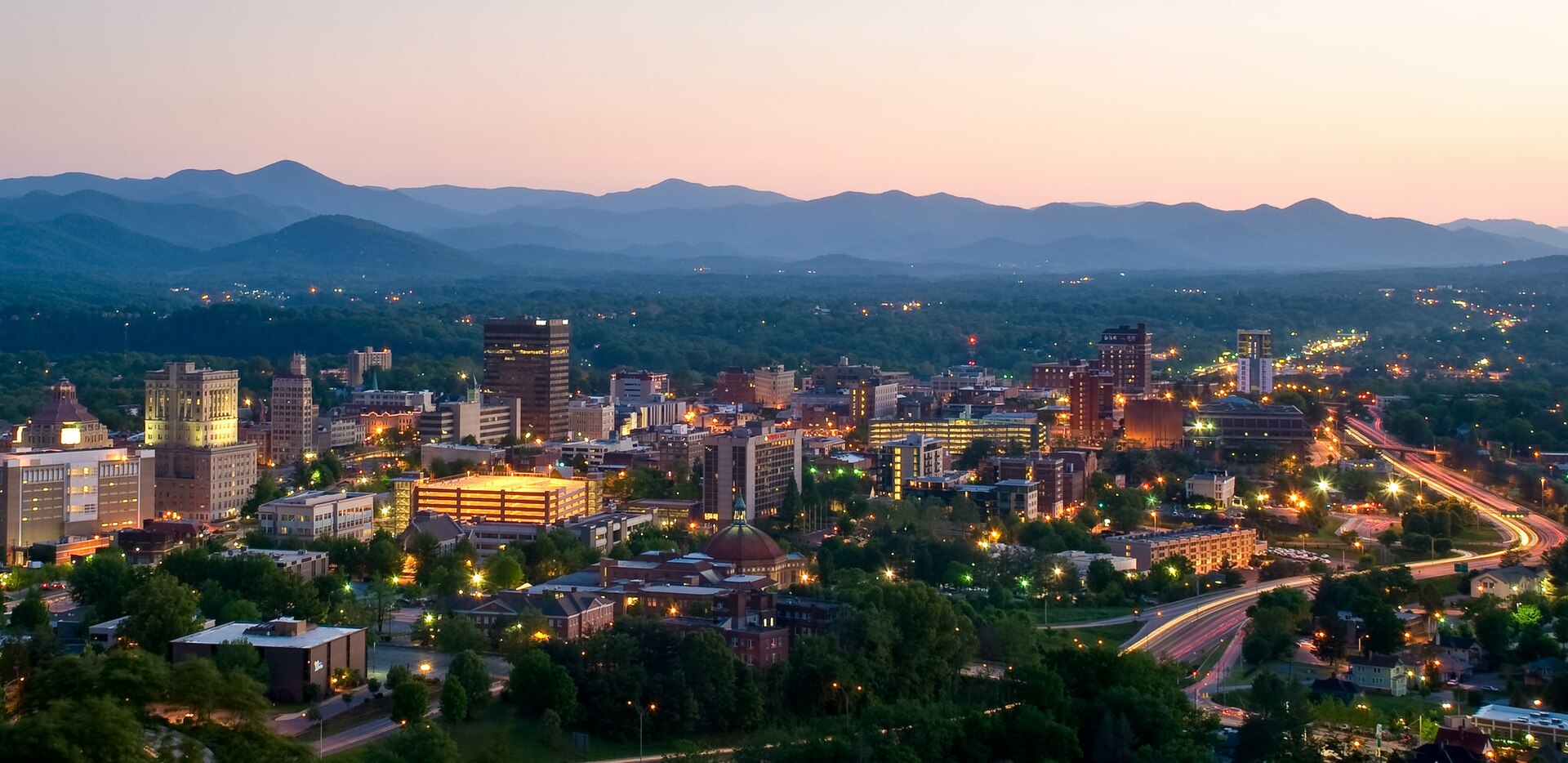
Asheville is arguably the best year-round market town in the country, which is rarer than it sounds. The Western North Carolina Farmers Market operates every day, and a constellation of tailgate markets across the city means fresh Appalachian produce, mountain cheeses, wild mushrooms, and grass-fed meats are available essentially any day of the week, in any season. This abundance feeds one of the most celebrated small-city food scenes in America, backed by an equally famous brewery culture, all set against the Blue Ridge Mountains. Asheville is a genuine destination in every sense, which is also the caveat: it is popular, increasingly pricey, and no longer any kind of secret. But for a town organized around local food, it is hard to beat.
3. Ithaca, New York

The Ithaca Farmers Market is one of the most beautiful in the country, housed in a rustic open-air pavilion on the shore of Cayuga Lake, where you can actually arrive by boat to the market’s own landing. More than 150 vendors sell produce, prepared foods from around the world, and local art, all sourced from within about thirty miles, and the market has been a community institution for over fifty years, complete with live music and, in a very Ithaca touch, a winter Rutabaga Curl competition. The surrounding Finger Lakes region is wine country and farm country both, and the college-town energy keeps the food scene sharp. The caveat is that the waterfront market runs April through December and depends heavily on the season.
4. Santa Fe, New Mexico
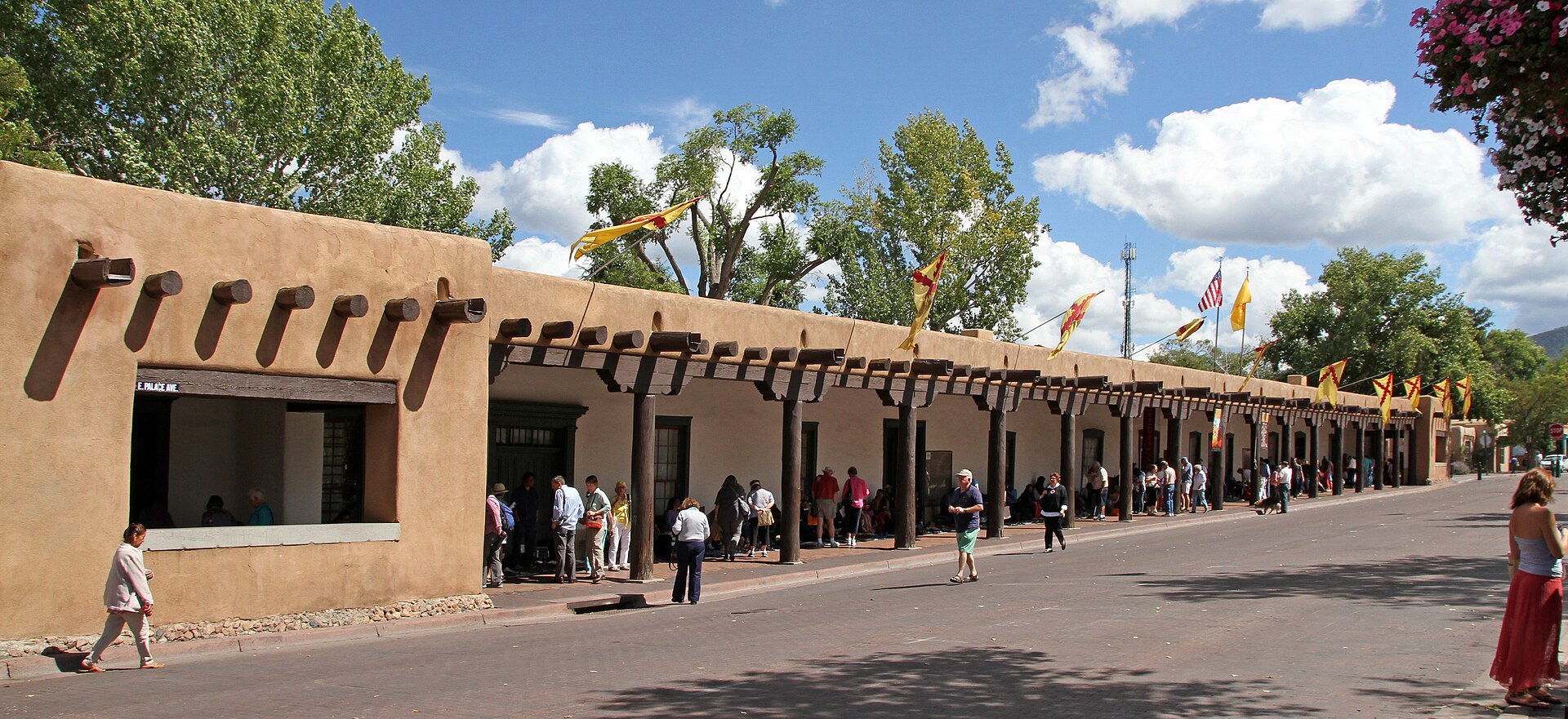
The Santa Fe Farmers Market is a vibrant expression of Southwestern food culture, one of the oldest and most respected in the country, anchored in the Railyard district with a permanent market building that lets it run year-round. The tables here look different from anywhere else: chiles and heritage corn, native beans, lavender, and produce grown in high-desert conditions by families who have farmed this valley for generations. That deep agricultural heritage feeds a food scene built on genuinely distinctive regional cuisine rather than borrowed trends. Santa Fe is also one of the great American art and adobe towns, so the market is one pleasure among many. The elevation, at 7,000 feet, is the practical thing to remember; it affects newcomers more than they expect.
5. Traverse City, Michigan
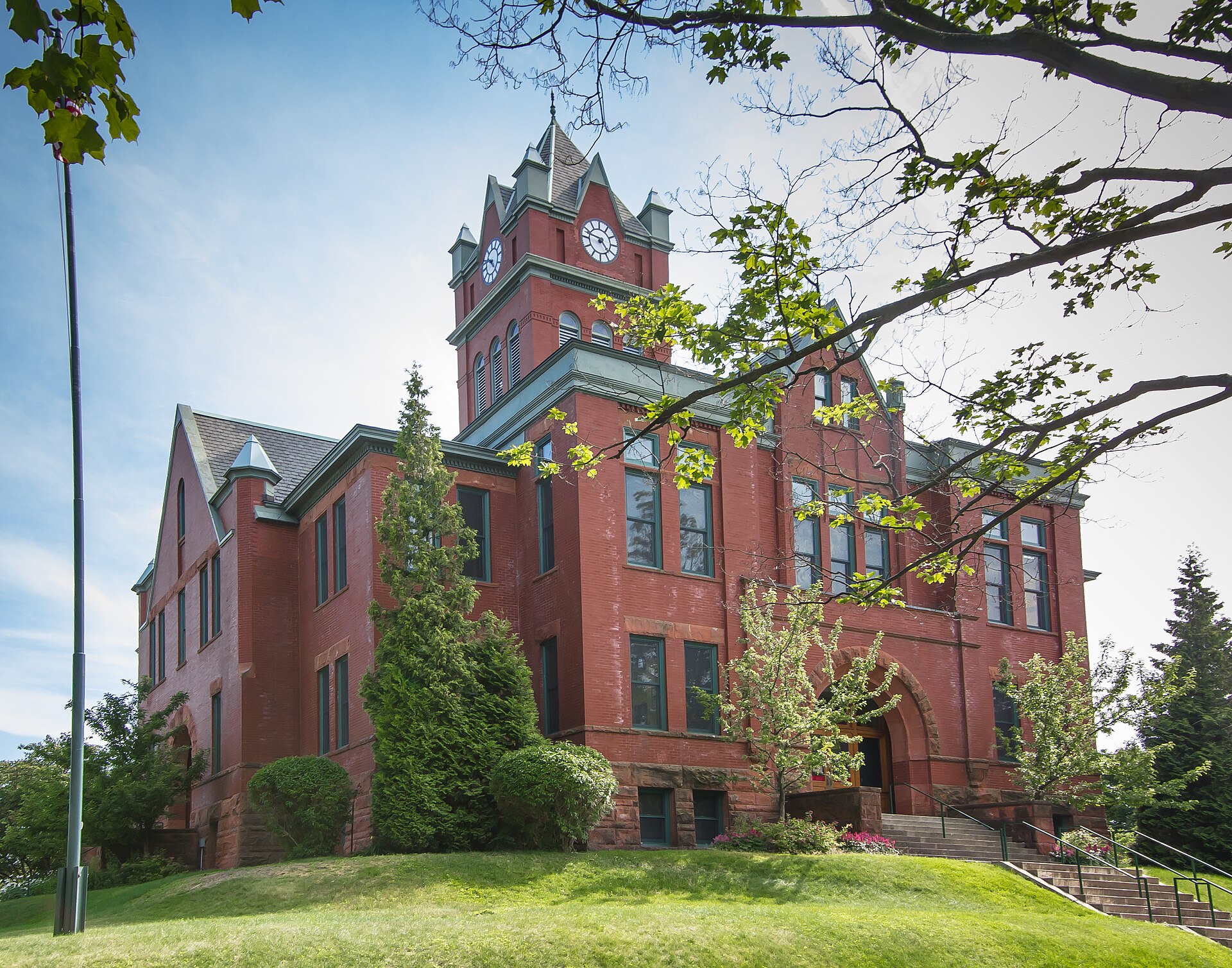
Traverse City sits at the heart of one of the most productive fruit-growing regions in the country, on the shore of Lake Michigan, and its farmers market draws thousands each week to a downtown setting thick with the local harvest. This is cherry country above all, the self-proclaimed cherry capital of the world, but the market brims with local honey, organic vegetables, wine from the surrounding peninsulas, and artisan goods, and it runs year-round, moving indoors for a cozy winter version. The town itself has become a genuine food-and-wine destination, its walkable downtown feeding directly off the agricultural wealth around it. The caveat is summer popularity, especially during the National Cherry Festival, when the whole region fills up.
6. Burlington, Vermont
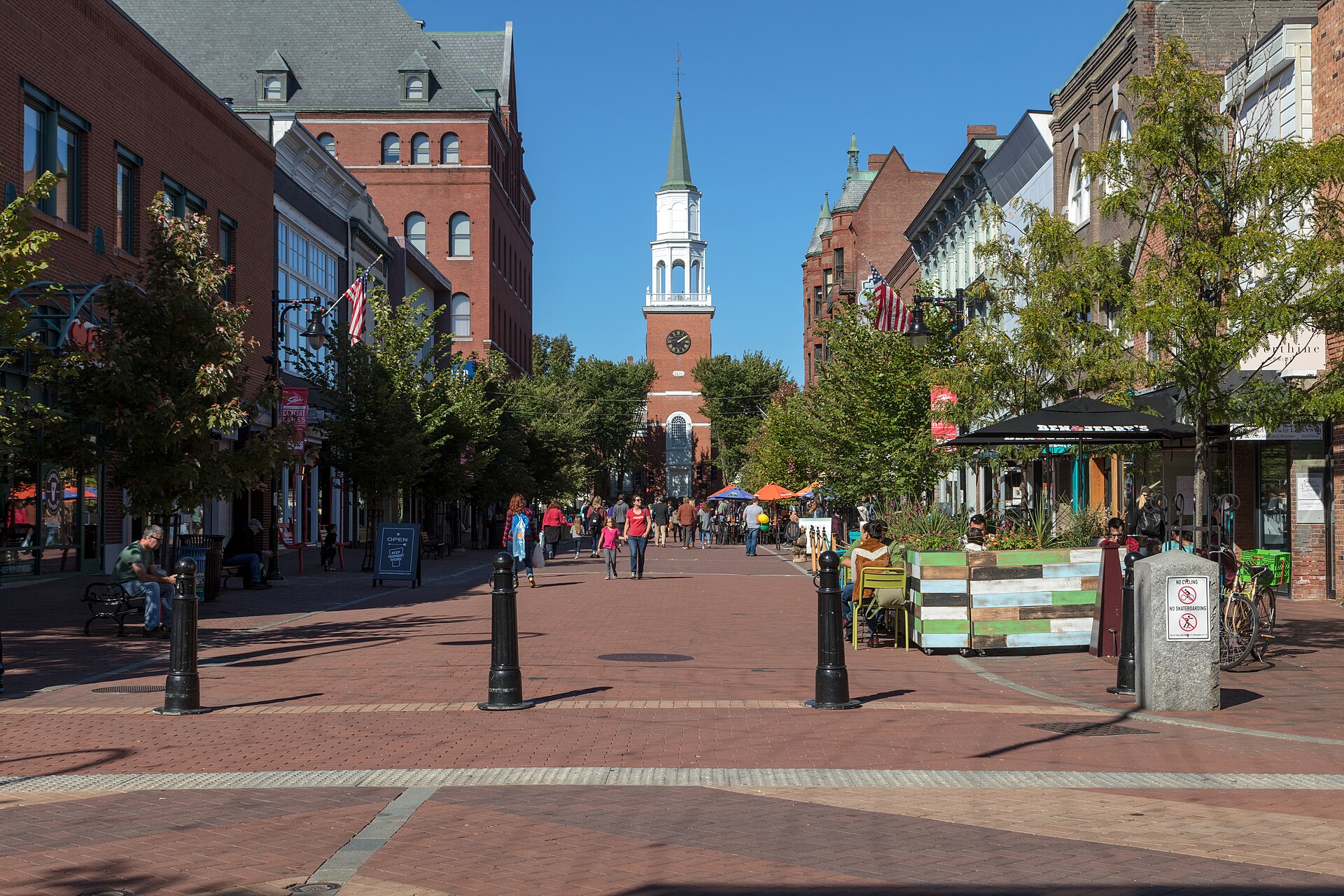
Burlington sits at the center of Vermont’s famously deep local-food ethic, on the shore of Lake Champlain, and its market is a celebration of the state’s agricultural riches: maple syrup, artisan cheeses from a state that takes cheese seriously, organic produce, and prepared foods, backed by live music and a genuine community spirit. Vermont’s small-farm culture and pioneering local-food movement mean the connection between the market and the surrounding land is unusually direct and unusually principled. Burlington is a walkable, spirited lakeside college town with a food and brewery scene punching well above its size. The honest caveat is the northern New England season, which shapes the outdoor market and much of the town’s rhythm.
7. Davis, California

Davis is a farm town at its core, home to one of the world’s leading agricultural universities, and its farmers market reflects that expertise with consistently high-quality produce and a famously friendly, community-centered atmosphere. Sitting in the heart of California’s Central Valley, one of the most productive agricultural regions on the planet, Davis enjoys year-round abundance that few places can match, and its market has long been a model for the farm-to-table movement. The town itself is a walkable, bike-obsessed university community, flat and green and easy to explore without a car. The caveat is Central Valley summer heat, which is genuinely intense, so the market is best enjoyed in the cooler morning hours.
8. Lancaster, Pennsylvania

Lancaster closes the list with the deepest roots of all. The Lancaster Central Market, operating in the heart of downtown, is the oldest continuously running public market in the country, with vendors going back generations, and it sits at the center of Pennsylvania Dutch country, some of the most productive and traditional farmland in America. The Amish and Mennonite farming communities here practice agriculture with a continuity found almost nowhere else, and the market tables reflect it: scrapple and shoofly pie, fresh produce, and meats and cheeses from farms worked much as they were a century ago. This is a working agricultural region, not a boutique one, which is exactly its authenticity, and it runs year-round. The caveat is that the surrounding tourism can feel commercialized; the market itself remains the real thing.
What these eight towns share is that the market is not an amenity bolted onto the place; it is the expression of the place. Madison’s producer-only rule, Lancaster’s centuries of continuity, Santa Fe’s chiles, and Vermont’s maple all tell you something true about the land those towns sit on and the people working it. A great farmers market cannot be faked, which is precisely why it is such a reliable guide to a town worth visiting.
One practical note. Most of these markets are seasonal or shift between outdoor summer and indoor winter versions, and their best days are specific, usually Saturday morning, and worth planning around. Check current schedules before you travel, since market hours and seasons move with the harvest, and arrive early, because in the best of these towns the finest things, like Madison’s spicy cheese bread, are gone by noon.
All photographs are freely licensed via Wikimedia Commons. Photographers are credited beneath each image.