

Late September in the foothills above Santa Fe smells of piñon smoke and roasting chile. The air is thin and sharp at 7,000 feet, the sky is a blue so saturated it looks painted, and high on the mountain behind you the aspens have turned, a band of gold laid across the dark conifers like a brushstroke. Down in the valley, a small adobe chapel that has stood here since the 1860s catches the late light. It has seen an archbishop’s quiet retreats, a ranching family’s summers, and a century of travelers who came for the same reason you did: to be close to the mountains and still within reach of one of the most soulful towns in America.
Bishop’s Lodge, now part of the Auberge Collection, was named to the Where to Stay: Nearby Nature category of the 2026 Sunset Travel Awards. It is the rare nature stay where history and landscape carry equal weight, and the land is large enough to give both room.
Where you are
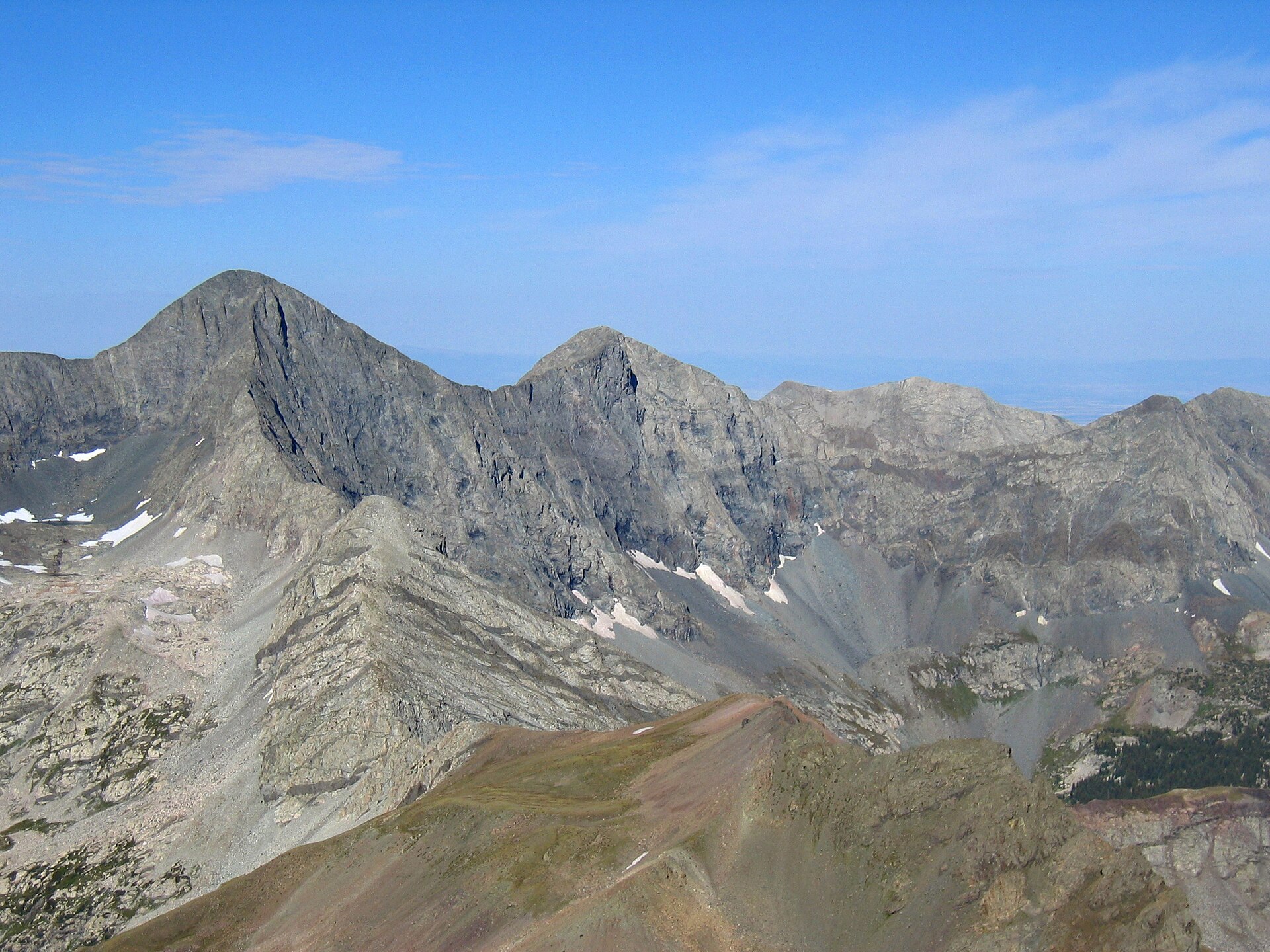
The lodge sits in the Tesuque Valley on the northern edge of Santa Fe, about four miles from the Plaza, where the high desert begins to rise into the Sangre de Cristo Mountains, the southernmost reach of the Rockies. Its 317 acres border Santa Fe National Forest, a public landscape of more than 1.5 million acres that runs from piñon-juniper foothills to spruce, fir and alpine ridges above 12,000 feet. Little Tesuque Creek runs through the valley, and the property has its own stocked stream for fly fishing.
The history is the other landscape here. In the 1860s Jean-Baptiste Lamy, Santa Fe’s first archbishop, built a small retreat and a private chapel on this land. The chapel survives: whitewashed adobe, a hand-carved wooden altar, and a stillness that has outlasted everything around it. In 1918 the Thorpe family acquired the property and began welcoming guests, and by the late 1920s it was known as Bishop’s Lodge Ranch. After decades as a Santa Fe institution and a long closure, it reopened in July 2021 following a major redevelopment.
| Location | Tesuque Valley, northern Santa Fe, New Mexico, about four miles from the Plaza |
|---|---|
| Setting | 317 acres bordering Santa Fe National Forest, at roughly 7,000 feet |
| Stays | About 100 rooms, suites and casitas (Sunset lists 98 keys), in adobe-inspired buildings |
| History | Archbishop Lamy’s retreat and chapel from the 1860s; welcoming guests since the Thorpe era, from 1918 |
| Dining and spa | SkyFire restaurant; Stream Dance Spa |
| On-property activities | Guided hiking, fly fishing, trail rides, archery, birding walks, mountain biking |
The stay itself
The rooms are built in the language of northern New Mexico: thick walls, kiva fireplaces, beamed ceilings, and windows framed on the hills. What makes the stay, though, is how much of the day happens outside. Guides lead hikes up into the national forest. Horses carry riders along trails the ranch has used for a century. Anglers work a private stream for trout. There are archery lessons, birding walks, foraging, and a pace that assumes you came for the land.
SkyFire, the lodge’s restaurant, cooks Southwestern food over open flame, and Stream Dance Spa leans on ingredients and rituals drawn from the high desert. Downtown Santa Fe’s galleries, Canyon Road and the Plaza are a ten-minute drive, which makes this one of the few stays in the West where you can ride a horse into the forest in the morning and walk into a world-class museum in the afternoon.
An honest note, because this series names limits rather than hiding them. In 2024 the resort’s plan to discharge treated wastewater into Tesuque Creek drew opposition from downstream neighbors before state regulators signed off on it. Whatever one thinks of the outcome, it is a reminder that every nature-based property sits inside a watershed, with neighbors below it, and that stewardship is measured over years, not in a brochure. We will be watching how the lodge handles it.
Out the door: the country within an hour
Dale Ball Trails
A few minutes south, some 24 miles of natural-surface trail wind through the piñon foothills on the east side of town, created through the Santa Fe Conservation Trust and named for Dale Ball, the conservationist who championed them. Short loops, big views over the city to the Jemez Mountains, and trailheads you can reach without driving far into the mountains.
Aspen Vista and the Ski Basin road
Hyde Park Road climbs from town past Hyde Memorial State Park, New Mexico’s first state park, toward Ski Santa Fe, whose base sits above 10,000 feet. Along the way, the Aspen Vista trail follows a closed forest road through dense aspen groves toward Tesuque Peak. In late September and early October, it is the best leaf walk in the Southwest, and the view back toward the Rio Grande Valley is worth every breath at altitude.
Bandelier and Tent Rocks
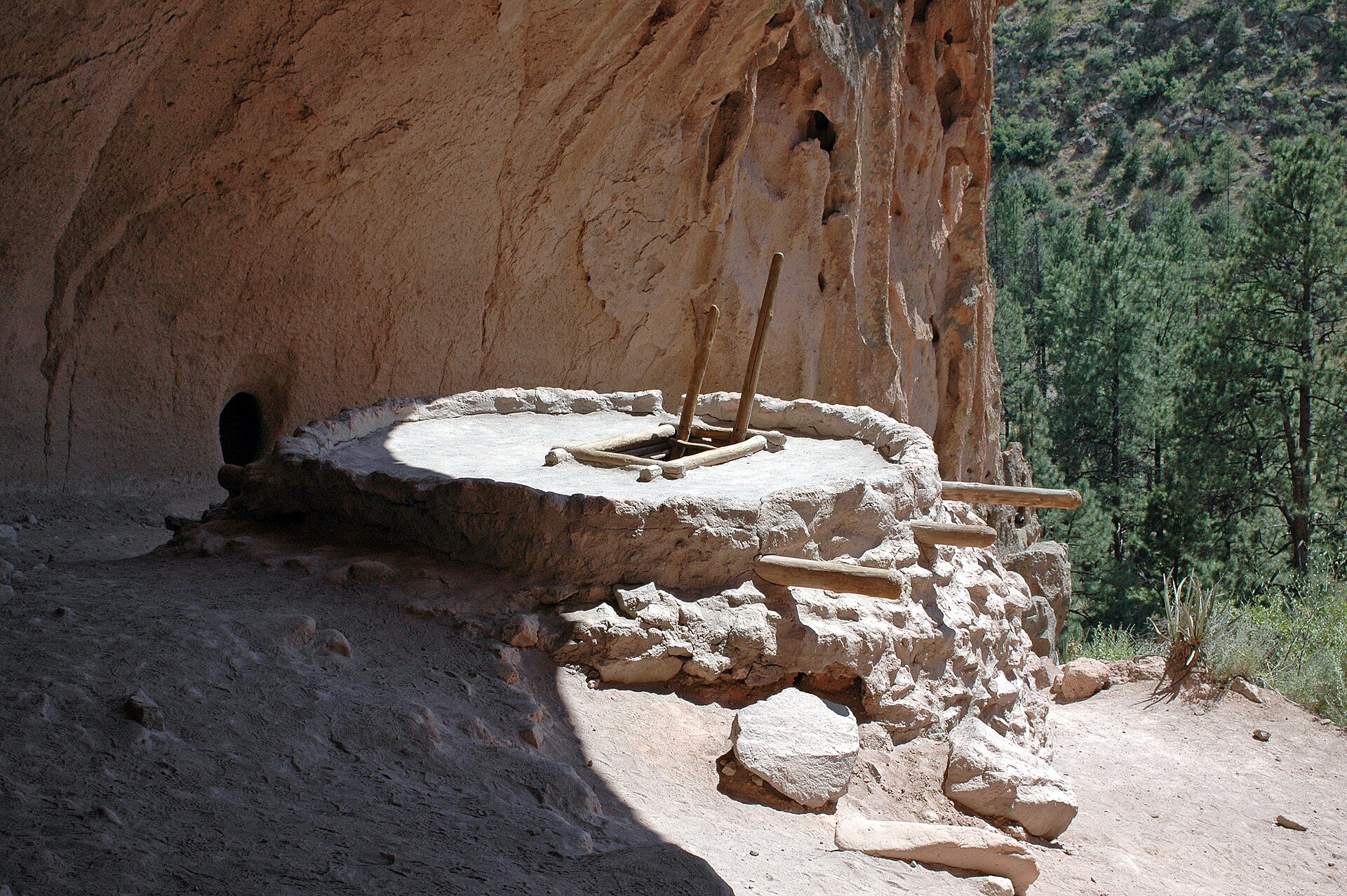
An hour to the west, Bandelier National Monument protects Ancestral Pueblo cliff dwellings and petroglyphs along Frijoles Canyon; you climb wooden ladders into rooms carved from volcanic tuff. To the southwest, Kasha-Katuwe Tent Rocks, with its cone-shaped hoodoos and narrow slot, reopened in late 2024 under co-management with Cochiti Pueblo, and entry now requires an advance reservation through Recreation.gov.
Tesuque, the pueblos, and the High Road
The village of Tesuque, just north, is small, leafy and fed by the acequias, the communal irrigation ditches that have carried mountain water to fields here for centuries. Tesuque Pueblo, about ten miles north of Santa Fe, has been at its present site for roughly 800 years; if you visit a pueblo, call ahead, respect closures, and leave the camera in the car unless photography is clearly permitted. Farther north, the High Road to Taos threads adobe villages and churches through the mountains, and to the northwest, the red and white cliffs of Abiquiu and Ghost Ranch drew Georgia O’Keeffe for good reason.
When to go
Fall is the season: the aspens usually peak in late September, days are in the 60s, and the smell of roasting green chile fills town. Spring brings mild days and wind, with late snow always possible. Summer is warm, with highs in the 80s, and the July and August monsoon delivers short, dramatic afternoon thunderstorms; hike early. Winter brings snow to the mountains and the ski basin, crisp sunny days, and farolitos glowing along adobe walls at Christmas. Santa Fe sees more than 300 days of sun a year, so there is little bad timing, only different light.
Remember the altitude. At 7,000 feet in town and above 10,000 in the mountains, drink water, take the first day easy, and give yourself time before a big hike.
What our place data shows
Against the Ideal Location trail atlas, Bishop’s Lodge shows 5 mapped trails within five miles and 11 within ten, including the Santa Fe River Trail, the Santa Fe Rail Trail, the La Tierra Trails and segments of El Camino Real. That is modest by the standards of Sedona or the Cascades, and it reflects the landscape: much of the best hiking here starts higher up in the national forest, a short drive from the lodge, or right on the property with its own guides.
Where Santa Fe stands out is in the people caring for the land. Our nonprofit directory lists more conservation organizations within five miles of this lodge than almost anywhere else in this series, among them the Santa Fe Conservation Trust, the Santa Fe Watershed Association, the Forest Stewards Guild and The Quivira Coalition, which works with ranchers on regenerative land management across the West.
Our EARTH read
A provisional, editorial read against Ideal Location’s five EARTH dimensions, based on public information rather than a verified assessment. Here is how the EARTH Watchlist works.
| Experiences | Strong. Mountain light, forest edge and a living history on the same ground. |
|---|---|
| Adventures | Strong. Horses, fly fishing, archery and guided hiking without leaving the property. |
| Rejuvenation | Strong. A full spa, altitude, quiet and a slower pace. |
| Togetherness | Good. Suited to families, groups and gatherings, with shared ranch traditions. |
| Home | Strong. Adobe, fireplaces and a sense of place that could only be northern New Mexico. |
The verdict: the best choice on the Sunset list for travelers who want mountains, culture and history in equal measure, with the caveat that its long-term watershed stewardship is something to watch. If Santa Fe is the destination, this is the stay that lets you have the town and the forest in the same day.
Questions travelers ask
Where is Bishop’s Lodge in Santa Fe?
Bishop’s Lodge, Auberge Collection, is in the Tesuque Valley on the northern edge of Santa Fe, New Mexico, about four miles from the Santa Fe Plaza. Its 317 acres border Santa Fe National Forest in the foothills of the Sangre de Cristo Mountains.
What is the history of Bishop’s Lodge?
In the 1860s Archbishop Jean-Baptiste Lamy built a retreat and private chapel on the land, and the chapel still stands. The Thorpe family acquired the property in 1918 and began welcoming guests, and after a major redevelopment it reopened under Auberge in July 2021.
What activities are available at Bishop’s Lodge?
Guests can take guided hikes into the national forest, fly fish a private stream, ride horses, try archery, join birding walks and mountain bike. The property also has the SkyFire restaurant and Stream Dance Spa.
When is the best time to visit Santa Fe for nature?
Late September and early October are ideal, when the aspens turn gold in the Sangre de Cristo Mountains. Summer brings afternoon monsoon storms in July and August, and winter brings snow to the mountains and ski basin.
How do I visit Tent Rocks near Santa Fe?
Kasha-Katuwe Tent Rocks reopened in November 2024 under an agreement between the Bureau of Land Management and Cochiti Pueblo. Entry requires an advance reservation through Recreation.gov.
Landscape photographs are freely licensed via Wikimedia Commons, with photographers credited beneath each image. Property details were checked against the hotels’ own published information and the sources noted in the text as of September 2026; rates and seasons change, so confirm before you book.