

A river town is a specific thing, not just any town that happens to have water nearby. It is a place whose daily rhythm bends around the current: where the put-in is a short walk from the coffee shop, where the summer economy runs on guides and outfitters, where people check the flow gauge the way others check the weather. The river is not scenery here. It is the organizing fact.
That distinction did the sorting for this list. Plenty of beautiful towns sit beside water they have turned their backs on, walling it off behind highways and industrial lots. The ten below did the opposite. They face the river, build their calendars around it, and would be unrecognizable without it. Some run on adrenaline and Class IV rapids; others on the meditative science of reading a trout stream. All of them treat moving water as the center of civic life.
We leaned on the people who know these waters best, including the river-town nominations gathered by American Rivers and the outfitters who run these currents daily, and we favored towns where the river is genuinely woven into how the place lives rather than simply flowing past it.
1. Missoula, Montana

Missoula is the river town other river towns measure themselves against, and it earns the title by sitting at the confluence of three storied waters: the Clark Fork runs straight through downtown, with the Blackfoot and the Bitterroot joining just beyond. You can fly fish, tube, paddle, or surf a standing river wave within walking distance of the coffee shops, and Missoulians do all of it. Add a university’s worth of energy, a fierce local conservation streak, and world-class trout water in three directions, and the case makes itself. The caveat is popularity: the secret is thoroughly out, and summer weekends on the Clark Fork prove it.
2. Buena Vista, Colorado
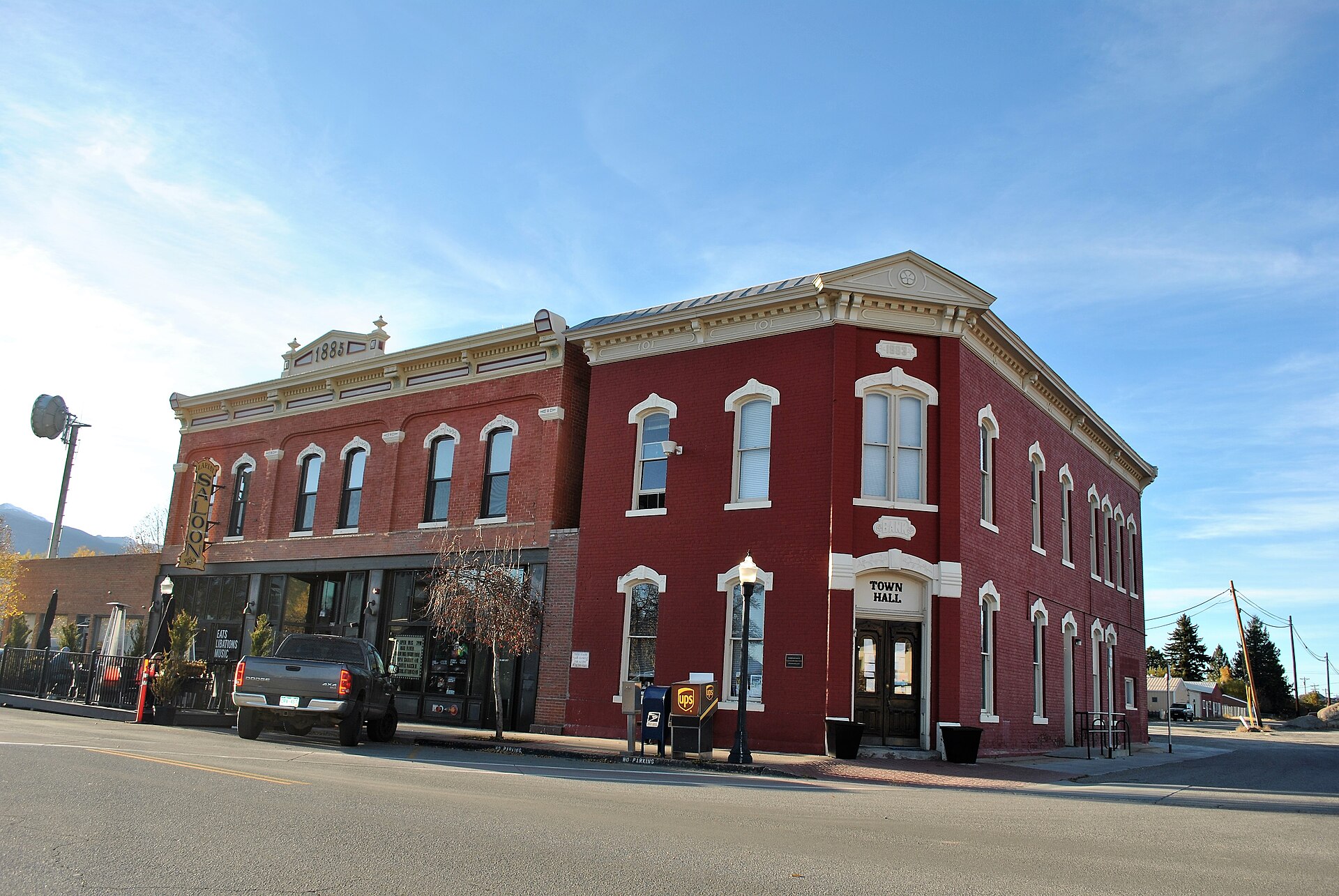
Buena Vista sits on the Arkansas, the most rafted river in the country, beneath the fourteen-thousand-foot peaks of the Collegiate range, and the whole town orients toward the water. Brown’s Canyon, now a national monument, delivers the rapids; the revitalized riverfront district downtown delivers the landing spot, with a whitewater park engineered right into the edge of town. It is smaller and less discovered than its neighbor Salida downstream, which is part of the appeal. The season is the constraint: the Arkansas runs big with snowmelt in early summer and mellows sharply by August, so the character of your trip depends entirely on when you come.
3. Hood River, Oregon
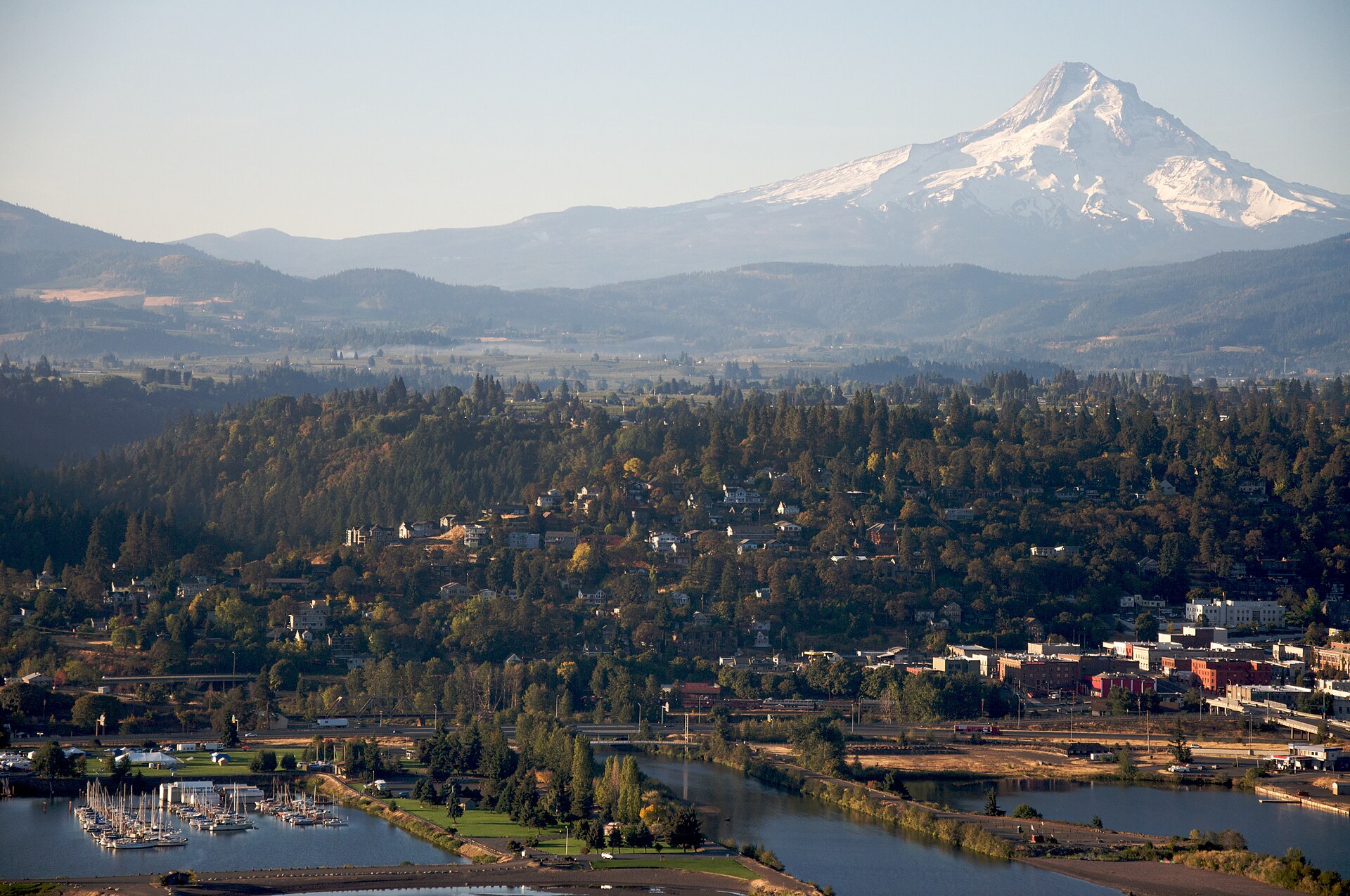
Hood River sits where its namesake river meets the Columbia, and the wind that funnels through the Columbia River Gorge has made it the windsurfing and kiteboarding capital of the country. But the town is a two-river story: the Gorge for wind sports, the White Salmon and Hood rivers nearby for whitewater, all of it under the gaze of Mount Hood. The old downtown has evolved into a dense concentration of breweries and farm-to-table cooking without losing its working-town bones. The caveat is that same wind, which is glorious if you came to sail and relentless if you did not.
4. Salida, Colorado
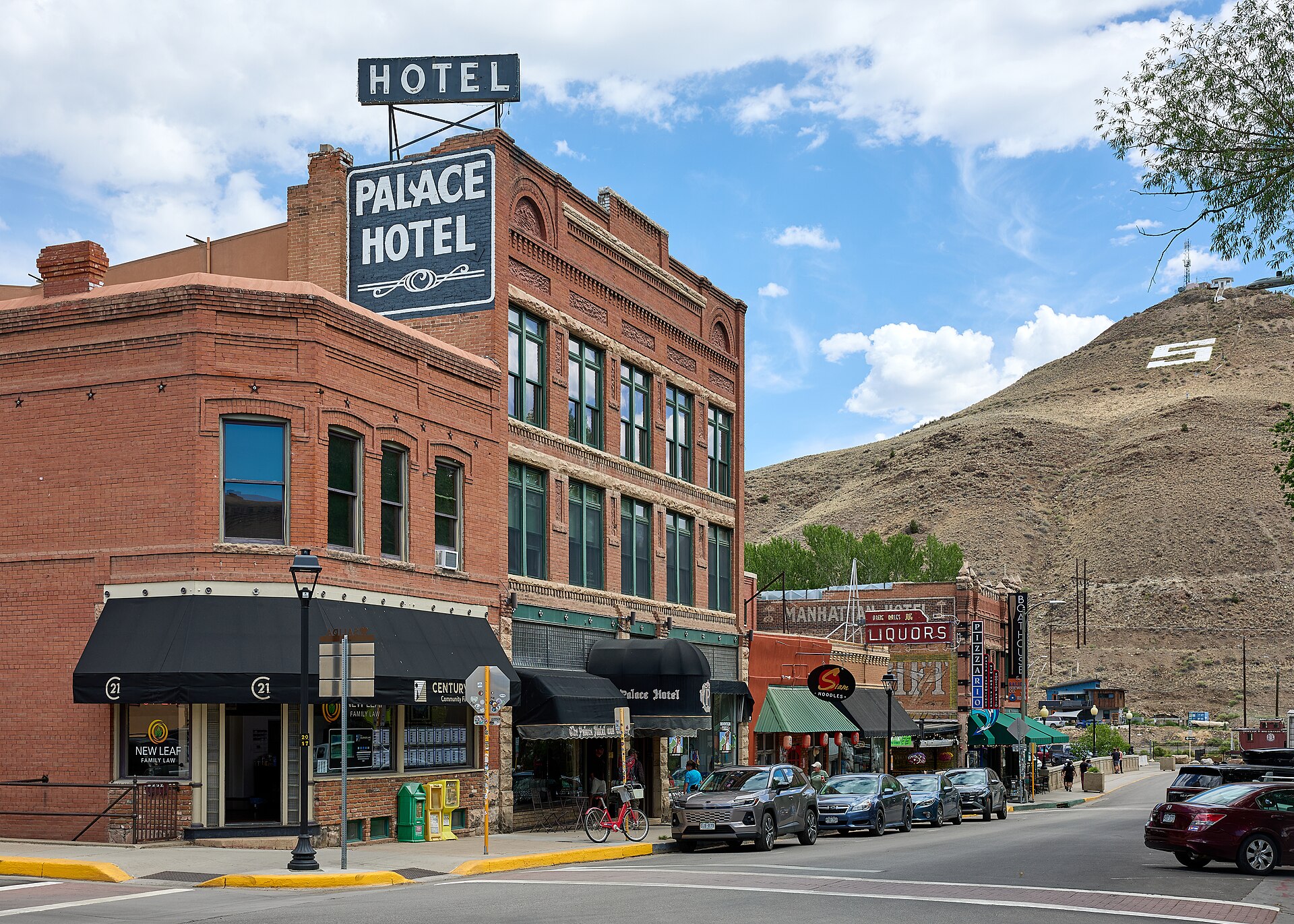
Salida is Buena Vista’s downstream sibling on the Arkansas and arguably the more complete town, built around one of the largest National Historic Districts in Colorado. The river runs right through the heart of it, and the FIBArk festival every June, the oldest whitewater festival in the country, turns the whole place into a celebration of the current. What sets Salida apart is that the arts scene is as real as the river scene; the historic downtown is full of working galleries and studios, not souvenir shops. It is a genuine small town that happens to sit on great water, rather than a resort wearing a town’s clothing.
5. The Forks, Maine
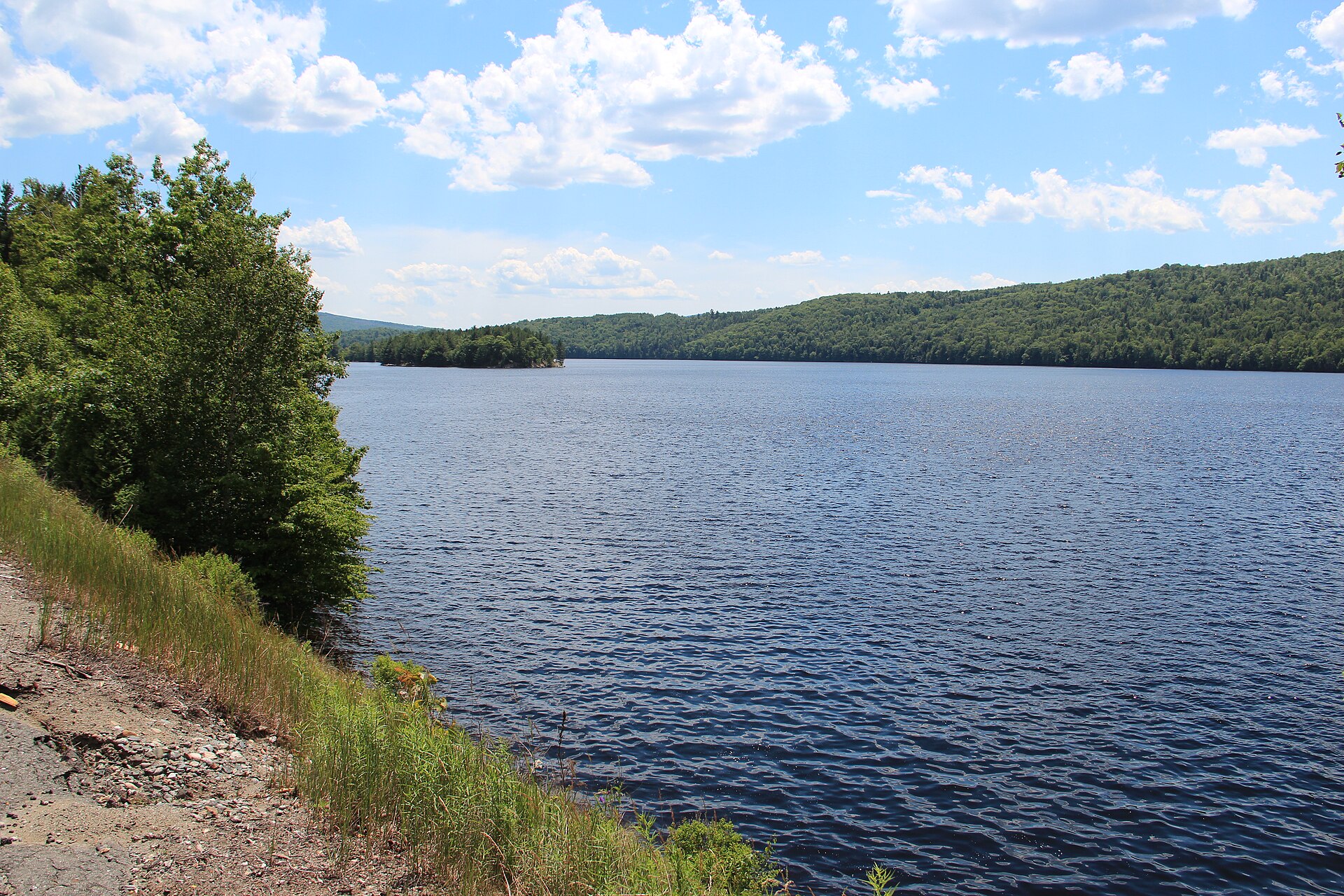
The Forks is the wild card here, a tiny outpost where the Kennebec and Dead rivers meet in the Maine woods, with a year-round population you could seat in a school bus. What it lacks in size it makes up in whitewater: the Kennebec Gorge delivers some of the best rafting in the Northeast, and the community’s fierce affection for its rivers shows in traditions like the Guide Olympics, where river guides compete and raise money for local causes. The drive in on Route 201 is a spectacle in itself, especially in fall. This is river-town culture stripped to its essence, with no distractions and no pretense, just water and the people who run it.
6. Durango, Colorado
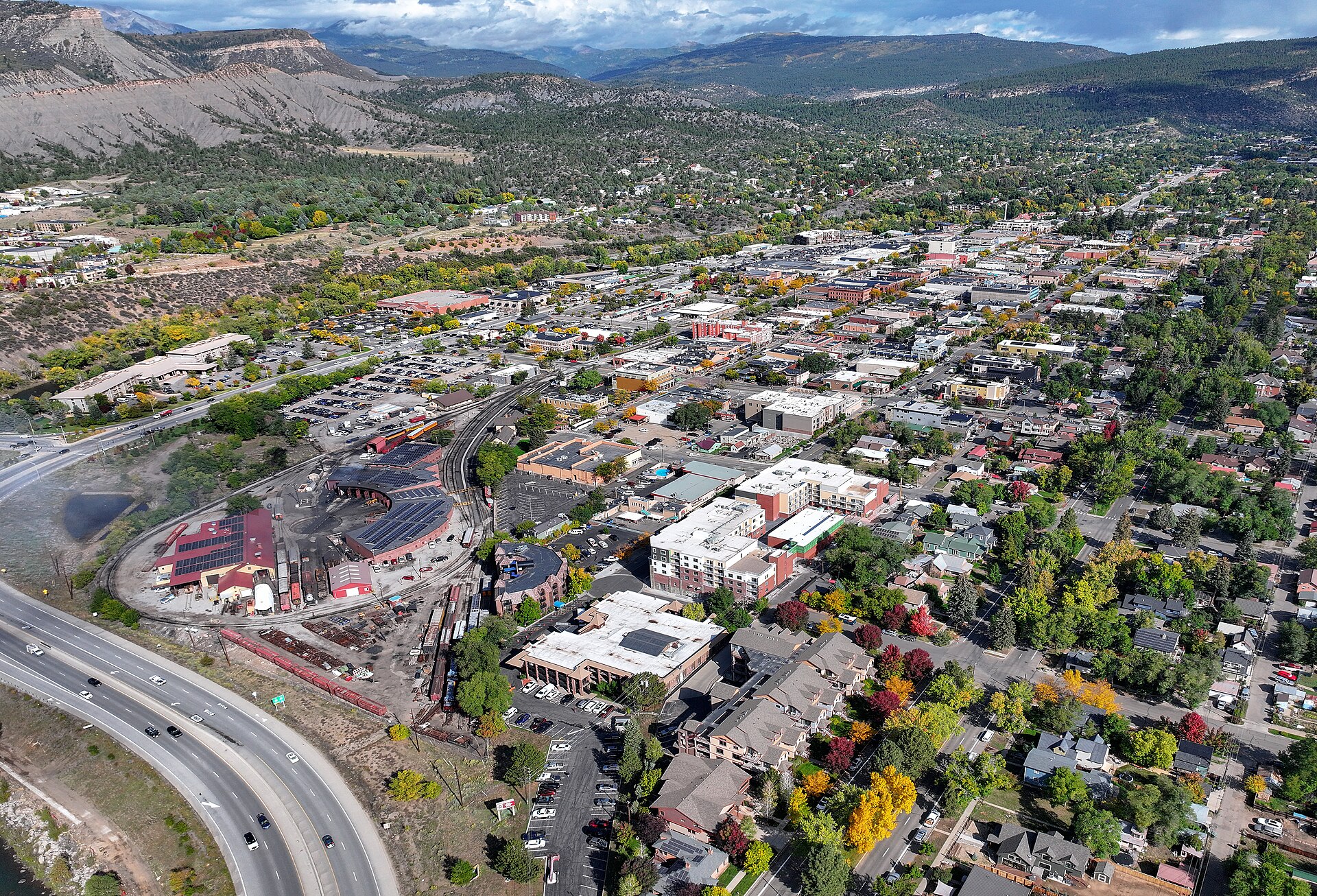
Durango grew up on the Animas, the river of lost souls, which runs green and cold through the middle of town from the San Juans above. The Animas is the rare urban whitewater run, with the Smelter Rapid right in town, and the annual Animas River Days celebrate it, but Durango’s river culture is only part of the draw. This is also the terminus of the historic narrow-gauge railroad to Silverton and a hub for mountain biking and skiing, a genuinely four-season mountain town. The river ties it together. The honest note is that the Animas has had hard water-quality years, a reminder that even beloved rivers need defending.
7. Bend, Oregon
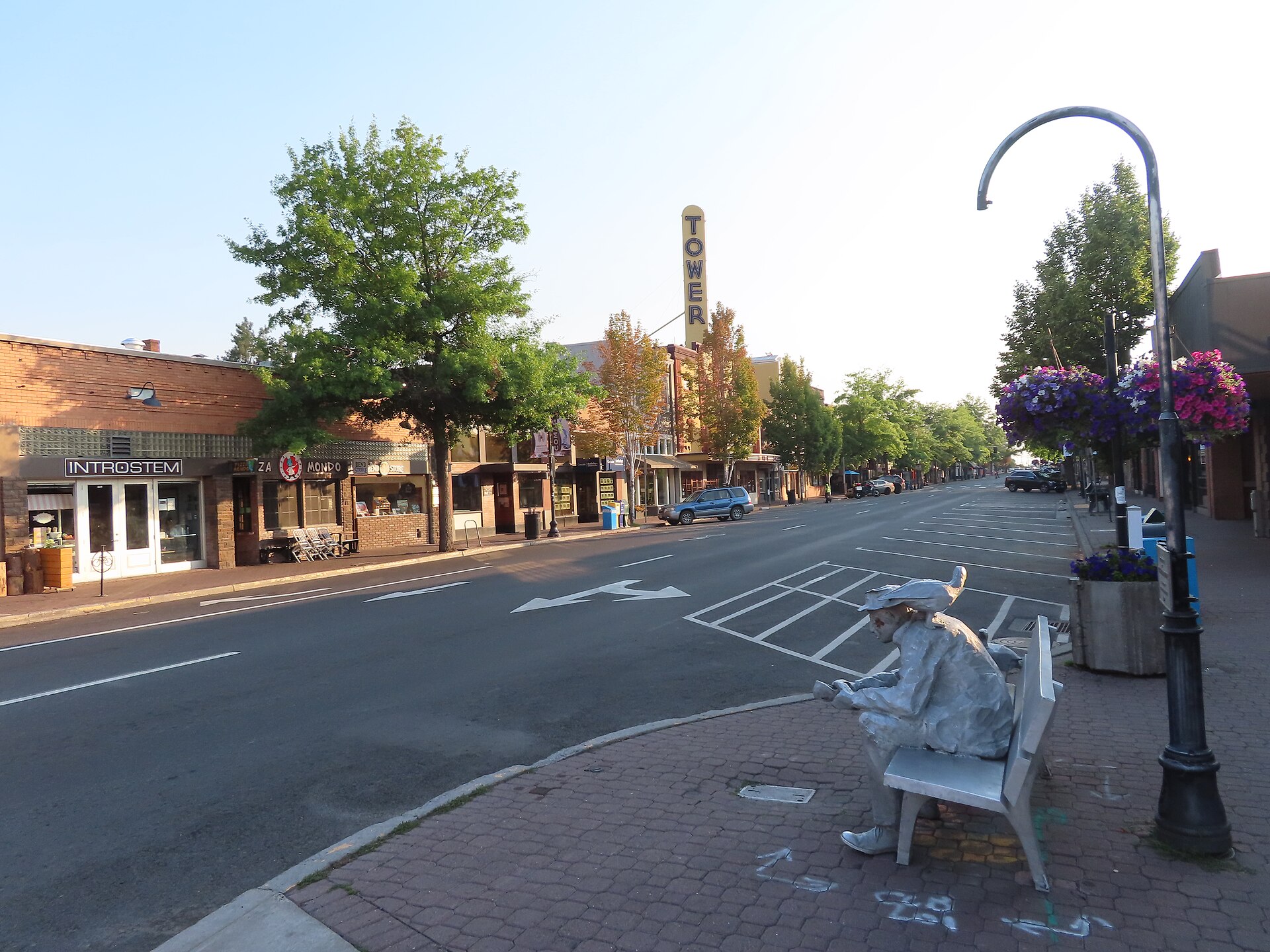
The Deschutes runs through the middle of Bend, and the town has done something clever with it: the Bend Whitewater Park splits the river into channels for surfers, paddlers, and floaters, so on a summer afternoon the current downtown fills with people riding standing waves and drifting past the breweries on inner tubes. Bend is a rare multi-sport town where the river shares billing with climbing, mountain biking, and skiing on Mount Bachelor, but the Deschutes is the thread through all of it. The caveat is the familiar one for Bend: it has been discovered thoroughly, it is growing fast, and summer crowds on the river are the proof.
8. Chattanooga, Tennessee
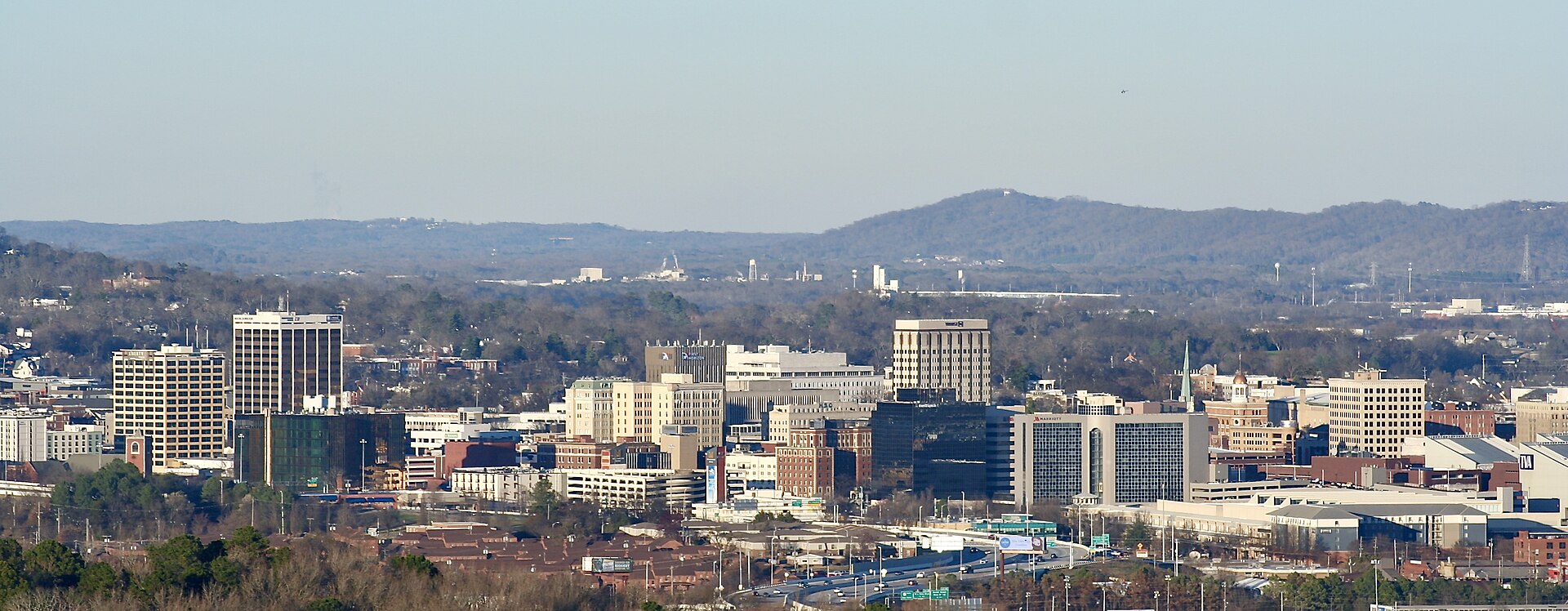
Chattanooga is the big-city entry, and it belongs here because it engineered one of the great American river comebacks. Once written off as one of the most polluted cities in the country, it turned back toward the Tennessee River, built a riverfront that anchors downtown, and reintroduced itself as an outdoor city. The Tennessee River Gorge just downstream offers genuine wilderness minutes from the center, and the nearby Ocoee, site of the 1996 Olympic whitewater events, delivers world-class rapids. Chattanooga proves that a river town can be a real city, and that a fouled river can be brought back if a place decides its water is worth reclaiming.
9. Wenatchee, Washington
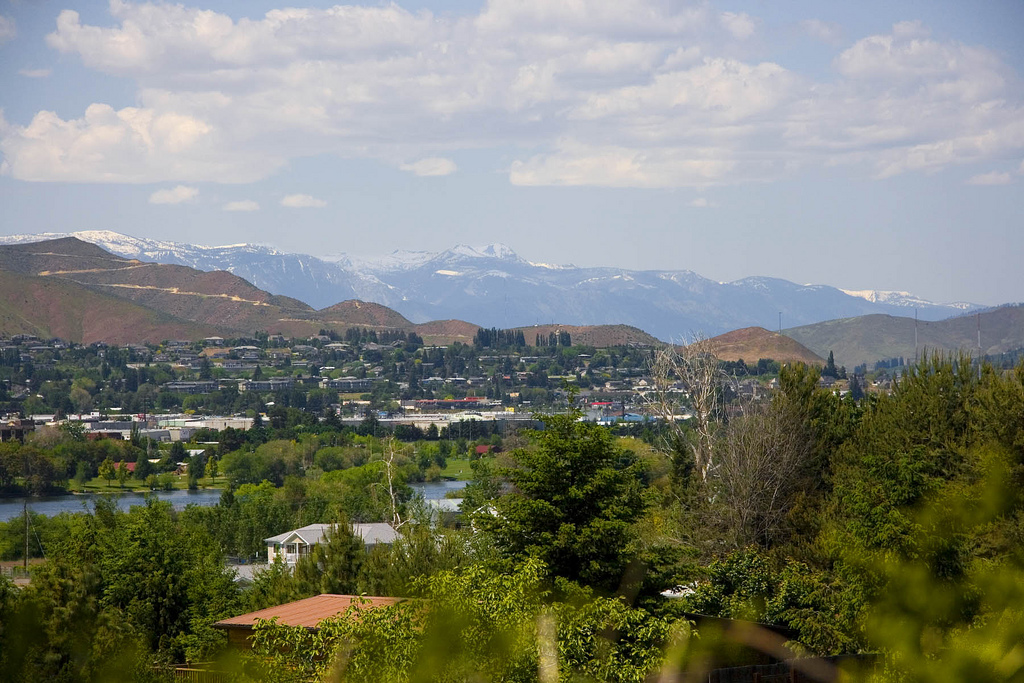
Wenatchee sits where the Wenatchee River meets the Columbia in the dry heart of Washington, and it is a working river town rather than a resort, which is exactly its charm. The Wenatchee is one of the state’s premier whitewater rivers, running big and cold with Cascade snowmelt in spring and early summer, and the Apple Capital Loop Trail traces the Columbia through the middle of town. Surrounded by orchards and sunshine on the dry side of the mountains, Wenatchee offers whitewater without the boutique prices of the marquee names. The season is short and snowmelt-driven, so timing matters more here than most.
10. Fayetteville, West Virginia
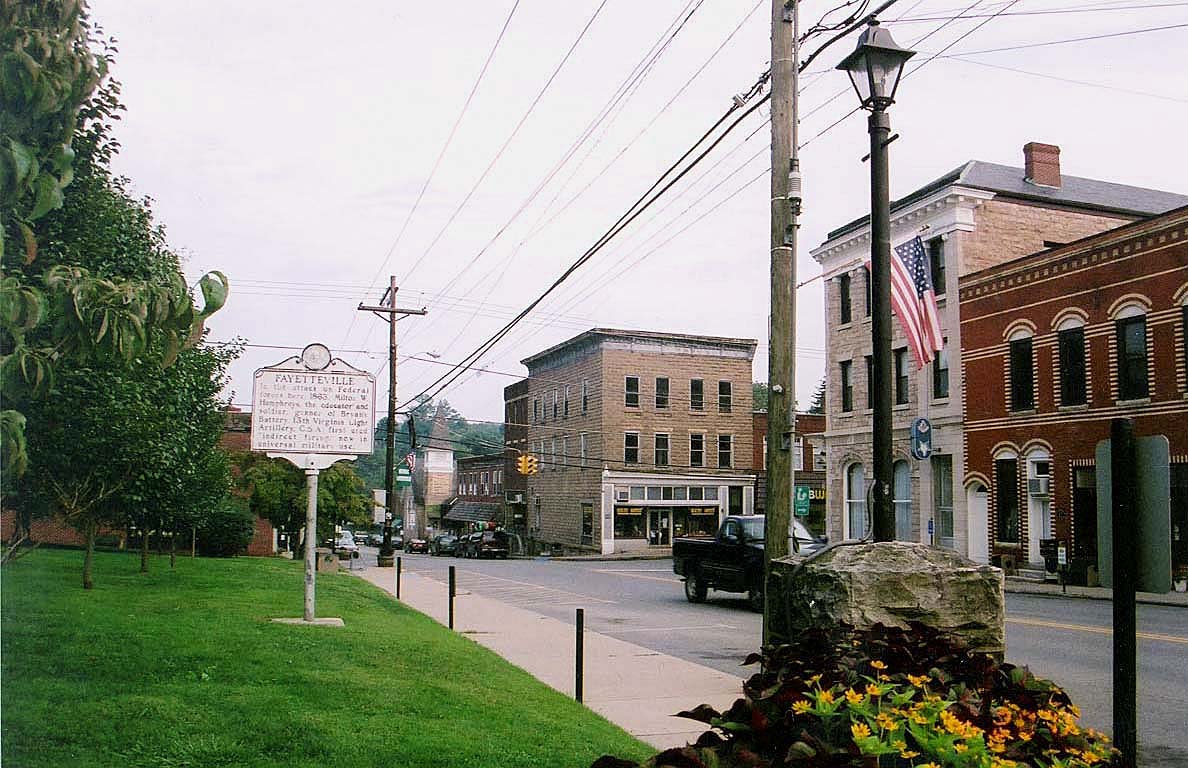
Fayetteville is the gateway to the New River Gorge, now America’s newest national park, and it is a rafting town to its core. The New and the nearby Gauley are legendary whitewater, the Gauley’s fall dam releases drawing paddlers from around the world for a few adrenaline-soaked weeks each autumn. The town itself is small, welcoming, and unpretentious, full of outfitters and the particular camaraderie of people whose livelihoods depend on the river. Bridge Day, when the New River Gorge Bridge opens to BASE jumpers, is the exclamation point. This is one of the great whitewater cultures in the East, built around one of its most dramatic gorges.
11. Cody, Wyoming
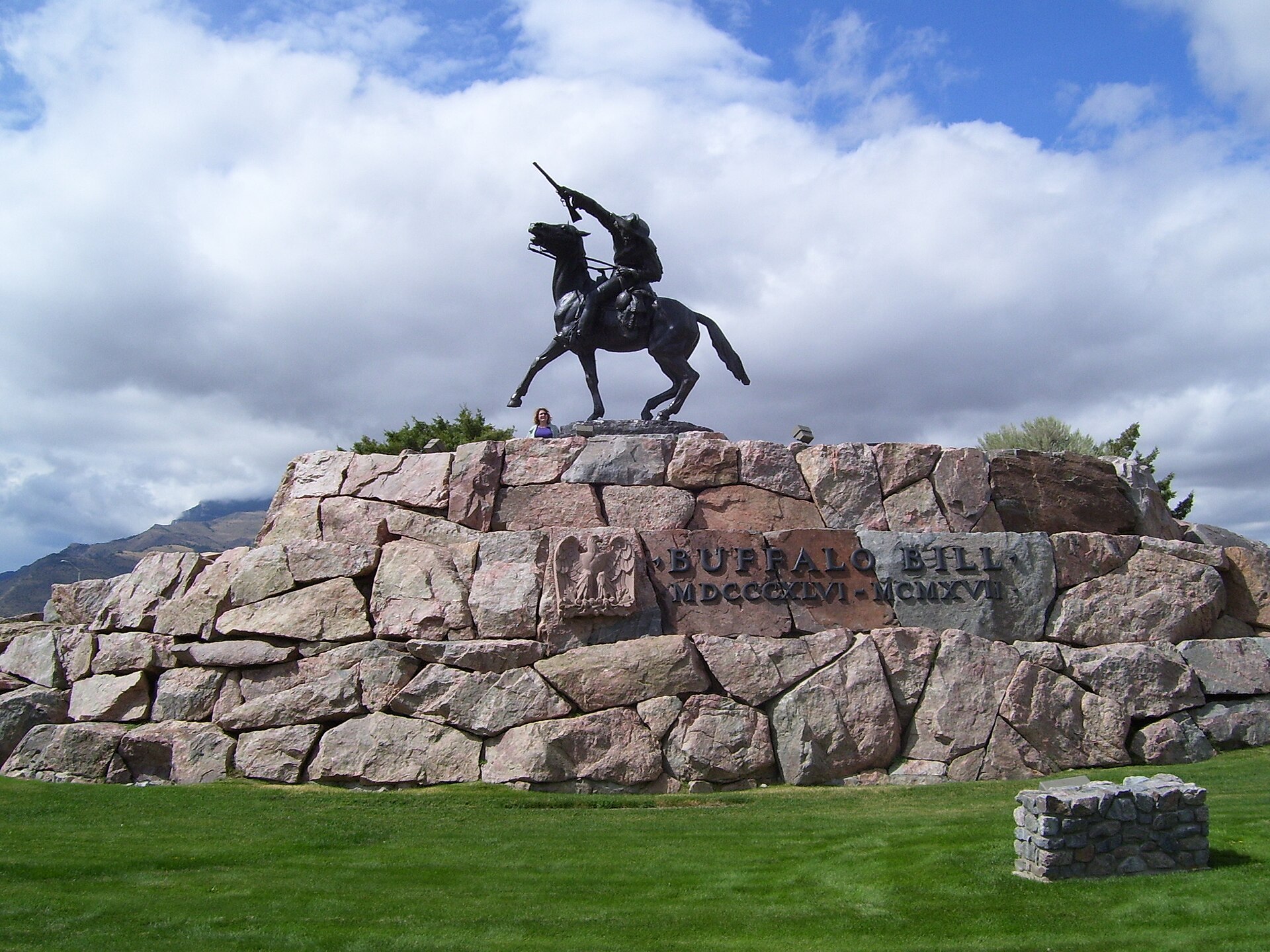
Cody closes the list as the fly-fishing counterweight to all the whitewater above, a reminder that river culture is not only about rapids. Founded by Buffalo Bill and sitting at the eastern gateway to Yellowstone, Cody is threaded by the Shoshone River and surrounded by some of the finest trout water in the West, from the Bighorn to the North Fork. The town wears its Western heritage openly, with a nightly summer rodeo and a genuinely world-class museum complex, but the rivers are the quiet constant. Come for the trout and the wide-open Absaroka country, and use the town as a base for the least crowded entrance to Yellowstone.
What unites these ten is orientation. Each of them faces its river rather than turning away, builds its summer around the current, and would lose its identity if the water stopped moving. Some run on whitewater adrenaline, some on the patience of a fly cast, but all of them understand the river as the reason the town is worth visiting in the first place.
A practical caveat runs through the whole list: rivers are seasonal in a way mountains and coasts are not. Snowmelt-fed western rivers run huge in late spring and thin out by late summer, dam-released rivers follow schedules you can look up, and the character of your trip changes completely with the flow. Check the gauges, call an outfitter, and time your visit to the water you actually want.
All photographs are freely licensed via Wikimedia Commons. Photographers are credited beneath each image.